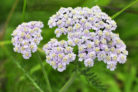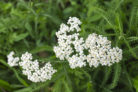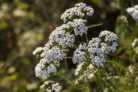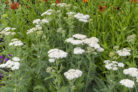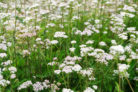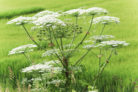
If you’ve ever taken a stroll along a forest edge or a country path, chances are you’ve spotted Common Yarrow. While those dainty white blooms are a staple in natural medicine, a word of caution for my fellow foragers: Yarrow has a few “look-alikes” out there that aren’t so friendly. To play it safe, I always recommend growing your own right in your backyard!
Yarrow at a Glance: Key Features and Traits
Want to get to know this garden favorite a little better? Here’s a quick cheat sheet on everything Yarrow:
- Botanical Name: *Achillea millefolium*.
- Common Names: You might hear it called Soldier’s Herb, Thousand-leaf, or even Nosebleed Plant.
- Family: It’s a proud member of the Asteraceae (Daisy) family.
- Hardiness: This perennial is totally winter-hardy, so it can stay tucked in your garden beds all year long.
- Propagation: You can easily grow more by sowing seeds or by dividing the roots of established plants.
- Ideal Location: Yarrow loves a spot with full sun to partial shade and soil that stays moist but drains well.
- Size: Given the right conditions, it can reach a height of about 30 inches (80 cm).
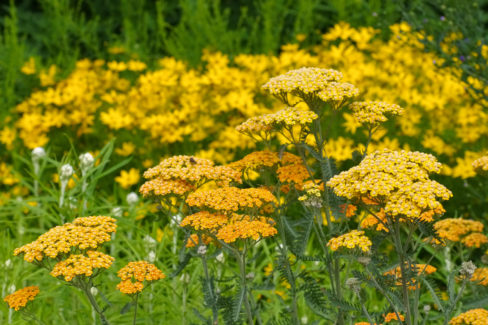
- Bloom Time: Look for those beautiful white, flat-topped flower clusters between July and September. Just a heads-up: since it’s a composite flower, some folks with sensitivities might experience allergic reactions.
- Edibility: The flowers are edible and widely used in herbal remedies, but don’t overdo it! Because of those potential allergens, moderation is key.
Yarrow as a Healing Herb
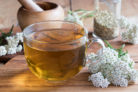
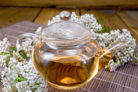
Yarrow has been a superstar in natural medicine for ages thanks to its potent compounds. Fresh juice pressed from the shoot tips is often used to help regulate digestion and boost appetite. You can also use dried leaves and flowers for teas or herbal baths, but remember to use them sparingly. Since it’s part of the daisy family, it can occasionally cause skin irritation or allergic reactions in some people.
Watch Out: Don’t Get It Mixed Up!
For the untrained eye, Yarrow can easily be confused with other plants that look strikingly similar. Common look-alikes include:
- Cuckooflower (which is harmless)
- Poison Hemlock (very dangerous!)
- Giant Hogweed (toxic and causes skin burns)
Since Hemlock and Giant Hogweed are poisonous and can cause serious issues if ingested or touched, it’s vital to know exactly what you’re picking. If you aren’t 100% sure you’ve found Yarrow, it’s best to leave it be and stick to the plants in your own garden!