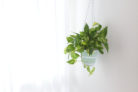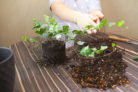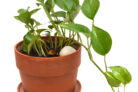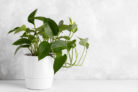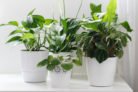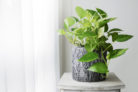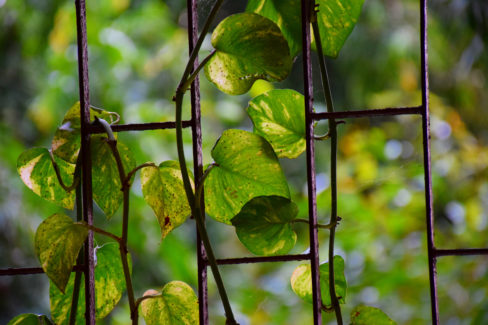
The Pothos (or Devil’s Ivy) is a total superstar in the world of houseplants. Why? Well, for starters, it’s incredibly forgiving—perfect for those of us who occasionally forget a watering. Plus, it’s super versatile. Depending on your vibe, you can let it trail gracefully from a shelf or train it to climb high.
Climbing Plants
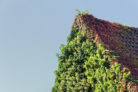
The Pothos, known botanically as *Epipremnum aureum*, belongs to a massive group of about 2,500 plant species that share a “climbing” growth habit. The main thing to know about these plants is that they can’t really support their own weight standing alone. In the wild, they rely on trees, rocks, or even man-made structures to get a lift. Generally, climbers fall into two categories:
- Self-climbers, which can scale surfaces all on their own.
- Trellis climbers, which need a little extra support to get vertical.
Self-Climber or Trellis Climber?
When it comes to keeping a Pothos as a houseplant, the answer to whether it’s a self-climber or a trellis climber is actually a bit of both!
Self-Climbers
In their natural habitat, Pothos plants use aerial roots to “glue” themselves to tree bark. This allows them to reach impressive heights of up to 60 feet!
Trellis Climbers
Since Pothos isn’t a “twining” plant (like honeysuckle) or a “scrambler” (like a blackberry bush), it technically fits into the climber category. However, in nature, these plants often grab onto thin twigs, which is a bit different from how they scale massive tree trunks.
Growing Pothos as a Climber Indoors
Inside your home, your Pothos might act a little differently depending on its environment. If you place it near a wall at its ideal location, you might notice it trying to scale the drywall if it doesn’t have anything else to grab onto.
Just a heads-up: even if you provide a trellis, your Pothos won’t always “stick” to it automatically. That’s why I usually recommend loosely tying the vines to the support to get them started. If you want it to grow across a room or along a ceiling, you’ll definitely want to guide the vines along a string or wire to show the plant exactly where you want it to go.