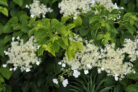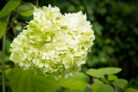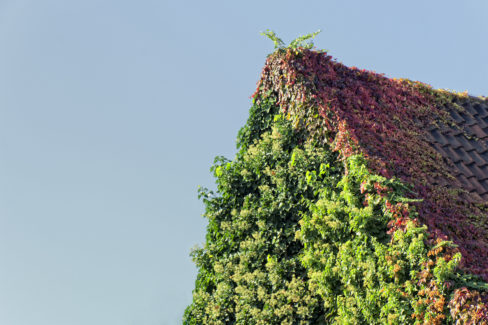
The climbing hydrangea is a fascinating climber that uses tiny aerial roots to grip onto surfaces. If you’ve just planted one, don’t be discouraged—younger plants are notoriously slow starters and can seem a bit “lazy” at first. However, once they get established, older hydrangeas can skyrocket up to thirty feet high! To keep that growth under control and looking fresh, a little rejuvenation pruning is definitely a good idea.
No Need for “Training” Cuts
For the most part, you don’t need to worry about systematic training or shaping cuts. Once you plant your hydrangea, it will naturally start pinning its long shoots against the wall to anchor itself. Pretty soon, you’ll see vigorous young shoots popping up near the base, ready to scale the wall.
One thing to keep in mind: those little “suction” roots are only active for a few weeks before they turn woody. If an old branch gets pulled away from the wall, it can’t re-attach itself on its own; only new growth can do that. If you see a loose branch, your best bet is to tuck it behind or wind it around a branch that is still firmly attached. Also, since those old, dead attachment roots tend to stick to the surface, you should always trim back last year’s flower heads to the first side bud to keep things tidy.
Rejuvenation Pruning for Climbing Hydrangeas
Here’s a pro tip: on a climbing hydrangea, the flowers only grow on the side shoots that grow *away* from the wall (the ones without the gripping roots). Whether you’re growing your hydrangea in a garden bed or in a large container, these outward-reaching branches will eventually get too long and need a regular “refresh” cut.
The best time for this is in early spring before the new growth starts (usually mid-March to early April). Go ahead and remove any overly long side shoots by cutting them back to where they started. You should also clear out any dead wood and old flower heads. Every once in a while, you can even cut back the main structural branches by about half if the plant is getting too unruly.
Extra Tip: Most of the flower buds form at the very top of the plant, so try to prune as lightly as possible in that area if you want a big floral display!
Pruning to Manage Weight
If your hydrangea is growing on a trellis, fence, or wall, you’ll need to keep an eye on its weight. As those flowering branches grow further and further away from the support structure, they can become quite heavy. If the plant starts pulling away or looks like it might collapse its support, it’s time for a “ballast cut.”
Simply trim back the heavy branches that seem to be pulling the plant downward. When choosing which ones to snip, try to pick the branches that have the fewest buds for the coming season so you don’t lose out on too many blooms.