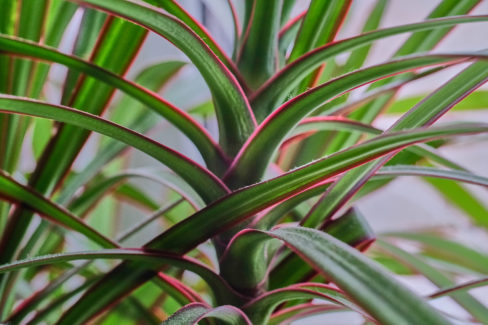
The Dragon Tree (Dracaena) is a total favorite among plant lovers, and for good reason! These exotic beauties are famous for being low-maintenance. However, every now and then, your leafy friend might need a little haircut. Whether you’re looking to fix its shape or save it from a rough patch, we’ve got you covered with the why, when, and how of pruning.
Why You Should Prune Your Dragon Tree
Pruning a Dragon Tree makes sense in a lot of different scenarios. Most of the time, it’s all about the looks, but sometimes a quick snip is the only way to save a sick plant. Here are the most common reasons to grab your shears:
- Correcting a crooked or lopsided growth habit
- Encouraging your Dragon Tree to branch out
- Propagating new plants via cuttings
- Removing diseased or damaged parts
Timing is Everything
Ideally, you’ll want to prune your Dragon Tree in the spring. This gives the plant the entire summer—with its prime growing conditions—to recover and push out fresh new shoots. While you *can* technically trim a Dracaena year-round, try to avoid it in the fall or winter unless it’s an emergency. During the colder months, the plant prefers to rest and conserve its energy.
The Right Tools for the Job
To get the job done right, you’ll need a few basic tools that most gardeners already have on hand. The most important rule? Use a sharp blade! A dull tool will crush the stem rather than slicing it. You’ll also want some rubbing alcohol to disinfect your tools, and something to seal the “wound,” like charcoal powder or plain candle wax. A small brush is handy for applying the sealant.
How to Prune Like a Pro
Pruning a Dragon Tree isn’t rocket science. Just follow these simple steps:
- Grab your preferred cutting tool (shears or a sharp knife)
- Disinfect the blade thoroughly
- Decide on your desired cutting height
- Make a clean, straight cut—avoid jagged or slanted edges
- Seal the cut surface
- Follow up with proper aftercare
Dragon Trees are pretty resilient and handle pruning quite well. With a little TLC, your plant will be back on its feet in no time.
Choosing Your Cutting Height
The height of your cut depends on what you’re trying to achieve. If you’re looking to propagate using cuttings, aim for about four inches (10 cm) below the leafy crown. If you’re just trying to fix the growth direction or want to encourage a bushier look, cutting about an inch (2 cm) below the tip is usually perfect.
Sealing the Wound
Sealing the cut is a vital step in helping your Dragon Tree bounce back. Some indoor gardeners skip this, but it’s a low-effort move that pays off big time. It protects the plant from drying out and keeps pests from moving in. Here’s how to do it with candle wax:
- Ensure the cut is straight and clean
- If it looks ragged, trim it again until the surface is smooth
- Clean the area around the wound
- Lightly dampen the surface with a bit of water
- Use a brush to apply the wax and spread it evenly
You can also find specialized grafting wax or wound sealants at garden centers. If you go that route, just follow the instructions on the label.
Post-Pruning Care
Sealing the plant is only half the battle. After a trim, this usually easy-going plant needs a little extra attention. Most importantly, don’t let it dry out! Move it to a slightly shadier spot for a few days and keep it well-watered. To give it a nutritional boost and speed up recovery, add a good liquid fertilizer to your watering routine.
The Bottom Line: Small Cut, Big Results
Pruning a Dragon Tree is no big deal once you know the basics. It’s a simple method with surprisingly effective results. Whether you’re trimming for aesthetics or health, you’ll see how much a clean, targeted cut can revitalize your plant. Give it some time to recover, and you’ll be enjoying your Dragon Tree for years to come!