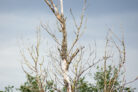
You don’t have to head to the deep woods to enjoy the beauty of a Silver Birch (Hängebirke). These trees look absolutely stunning in a backyard or a local park, too! Just a heads-up, though: they do need a bit of elbow room to really thrive. And unlike some other trees in your landscape that might need a regular haircut, the Silver Birch actually prefers to be left alone. If you’re wondering how to handle pruning without stressing out your tree, here’s the scoop.
Why you should go easy on the pruning shears
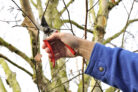
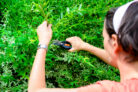
The main thing to know about Silver Birches is that they are “bleeders.” If you cut them, they lose a lot of sap, and they don’t bounce back with new growth from the cut site as easily as other species. Over-pruning can actually stunt their growth or even put the tree’s health at risk. If you absolutely must trim it back, avoid messing with the fresh, young shoots. It’s best to only prune branches that are at least 10 inches long, and always make sure to leave a few leaf buds on the branch so it can keep growing.
Pro-tips for a clean cut:
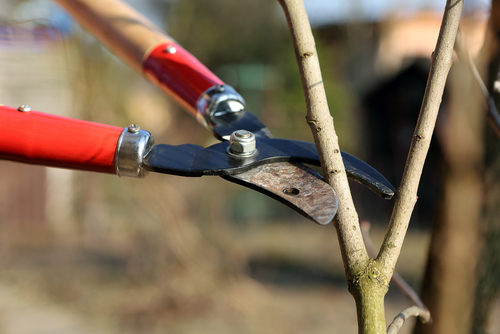
- Always use sharp pruning tools to avoid jagged edges.
- Make sure your saw or shears are nice and clean before you start.
- Cut the shoots at a slight angle.
- Position your cut just above a “dormant eye” (those little bumps where future growth happens).
- Only cut dead, dried-out branches flush against the trunk.
Timing is everything
If you’re planning to prune, wait for a sunny day when there’s no rain in the forecast. The best window for trimming a Silver Birch is between November and January. During these colder months, the sap isn’t flowing as heavily, which means the tree won’t “bleed” as much when you make your cuts. For any larger wounds, it’s a smart move to apply a pruning sealer to protect the tree from pests and diseases while it heals.
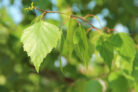
By being careful and minimal with your pruning, you’ll keep your tree healthy and looking its best. The great news? Since these trees don’t handle heavy pruning well, they are incredibly low-maintenance! In most cases, this hardy tree won’t need any attention from your shears all year long. You can just sit back and enjoy those beautiful leaves—which, by the way, are often used in herbal remedies and wellness treatments!