The Dragon Tree (Dracaena) is famous for being one of the most easy-going houseplants out there. However, even these tough guys can struggle if they’re hit with consistent care mistakes or a nasty disease. If your plant is looking a little sad, it’s time to stage a rescue mission. Here’s how to get your Dracaena back on its feet.
Why is my Dragon Tree dying?
First things first: you’ve got to play detective. To fix the problem, you need to know what’s causing it. If your Dragon Tree’s health is on a downward spiral, it’s usually due to one of these three culprits:
- The location isn’t quite right.
- Your watering routine is off-balance.
- You’re dealing with pests or a specific plant disease.
Step 1: Find a better spot
Sometimes, all your plant needs is a change of scenery to regain its strength. Look for a bright spot that gets plenty of indirect light—direct afternoon sun can actually scorch the leaves. Make sure it’s away from heat sources like radiators and protected from chilly drafts. If the damage isn’t too severe yet, a simple move to a “happy place” might be all the medicine it needs.
Step 2: Repotting and trying Hydroponics
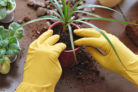
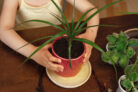
Repotting isn’t just for when your plant outgrows its home; it’s a great way to hit the “reset” button on its health. Fresh soil and a bit of liquid fertilizer in your watering can provide a much-needed nutrient boost.
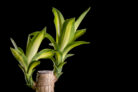
If you find yourself constantly struggling with the watering can, consider switching to hydroponics (growing in clay pebbles and water). Overwatering and soggy soil are the biggest threats to a Dragon Tree, and a hydro setup takes the guesswork out of watering. Plus, it’s a great way to stop pests in their tracks, as many bugs can’t lay their eggs in clay pebbles like they do in soil.
Step 3: Pruning and radical cuts
If you’re dealing with something serious like soft rot, you’ll need to be a bit more aggressive. You’ll know it’s soft rot if the stems feel mushy and there’s a distinct, fishy smell coming from the plant. In this case, you have to act fast—cutting away the rotted parts entirely is the only way to save the rest of the plant. While this doesn’t guarantee a recovery, it’s the only fighting chance the plant has. Remember, soft rot is almost always caused by standing water at the roots, which is another great reason to consider that hydroponic switch!
The Bottom Line: Don’t wait to act!
As a plant parent, you usually know instinctively when something is “off” with your leafy friends. Trust your gut and react sooner rather than later. Most care mistakes are easy to fix if you catch them early. Serious diseases require tougher measures and don’t always have a happy ending, so the best strategy is always prevention. Keep those growing conditions optimal, and your Dragon Tree will thank you!