Among us garden enthusiasts, the Lenten Rose (Helleborus orientalis) is a total superstar—not just because it’s one of the first to pop up in the spring, but because it’s incredibly low-maintenance. That “easy-going” attitude definitely extends to pruning, too!
Minimal Pruning Required
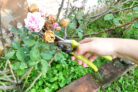
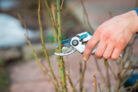
The only time of year you really *need* to grab your garden shears is in the fall. During autumn, it’s important to clear away the old, withered stems so the plant has plenty of room to push out fresh new growth over the winter. Aside from that, you can snip off spent blooms or tired-looking leaves during the spring and summer after the blooming period. These little “beauty treatments” aren’t strictly necessary for the plant’s health, but they definitely keep your garden beds looking tidy.
Dealing with Pests and Disease
Another reason to do some cutting is if you notice any signs of disease or pests. If your Lenten Rose looks a bit under the weather, be sure to prune away the affected areas generously to stop the problem from spreading. Pro tip: Don’t toss those diseased clippings into your compost pile! Throw them in the regular trash instead so you don’t accidentally spread the infection back into your soil later.
Fresh Cut Flowers
Lenten Roses also make gorgeous additions to indoor arrangements. For the best results, look for long stems with buds that haven’t quite opened yet. As long as you keep them in a cool spot away from direct heat, they’ll stay fresh in a vase for several days.
One very important safety note: Always wear gloves when you’re pruning or handling Lenten Roses. Every part of this plant is toxic, so you’ll want to protect your skin. If you’re bringing them inside as cut flowers, make sure the vase is placed well out of reach of curious kids and pets.
To sum it up, here’s when you might want to give your Lenten Rose a trim:
- A main cut-back in the fall
- Quick tidy-ups during spring and summer
- Removing diseased or pest-ridden sections
- Gathering stems for floral arrangements