When you think of a juicy, ripe blackberry, that deep, dark color is usually the first thing that comes to mind. Most of the time, black is the “go signal” for picking, but it’s not always that simple! Believe it or not, some blackberries are actually meant to be red. Let’s break down what those colors really mean for your harvest.
Most Blackberries Are Black
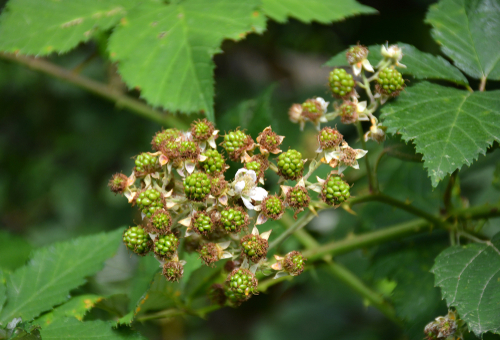
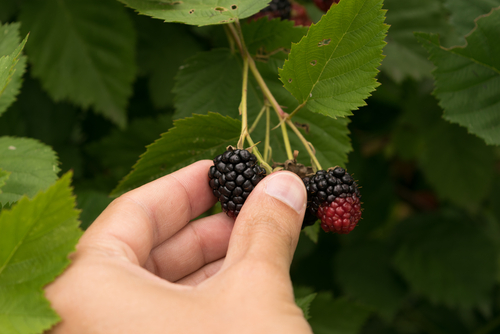
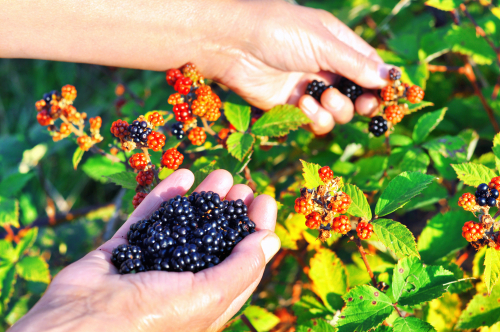
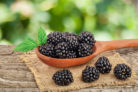
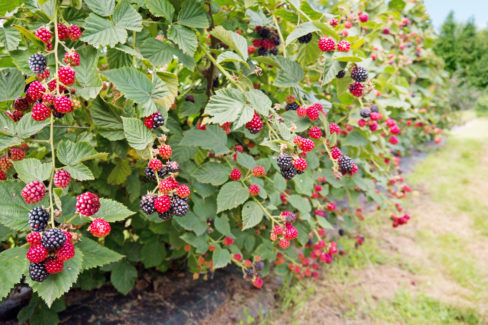
For the classic varieties we all know and love, color is the best way to tell if they’re ready to eat. These berries start out green, transition to a bright red, and finally settle into a dark, glossy black when they’re at their peak sweetness.
Keep in mind that berries on the same bush don’t all cross the finish line at once. The harvest window usually kicks off in late July and can stretch all the way into the fall.
Unripe Red Berries
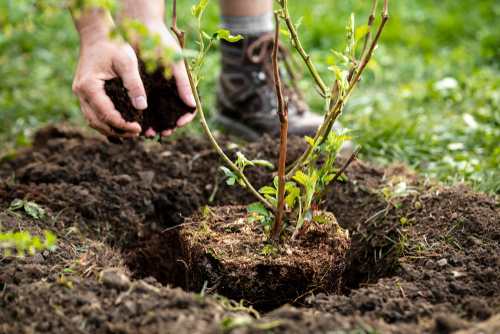
If you see red berries on a standard bush, leave them be! While they aren’t toxic or dangerous, unripe red blackberries are incredibly tart and hard—definitely not the tasty treat you’re looking for. Usually, those red berries just need a few more days of sunshine to turn black. To ensure your berries ripen fully and taste great, make sure your plants are in a warm, sunny spot in the garden.
The Exception: Special Red Varieties
Of course, there’s an exception to every rule. Some specific varieties—often hybrids between blackberries and raspberries—stay red even when they are perfectly ripe.
Popular Red Blackberry Varieties
The most common “red” blackberries you’ll run into are:
- The Dorman Red
- The Tayberry
Even though they look a lot like raspberries, these are botanically classified as blackberries (or blackberry hybrids) and are prized for their unique, tangy flavor.
Watch Out for Red Spots
If you notice a blackberry that is mostly black but has a few stubborn red segments, you might have a tiny problem on your hands. This “redberry” look is often a sign of the blackberry redberry mite. These microscopic pests feed on the fruit, preventing individual drupelets from ripening properly. Unfortunately, these affected berries won’t taste very good, so it’s best to pull them off the bush and toss them rather than eating them.