Common Blackberry Diseases and How to Handle Them
Blackberries are generally pretty tough and resilient plants. However, even the hardiest berry patch can run into some trouble now and then. The good news? Most of these issues are relatively harmless and can be managed with natural remedies you might already have at home.
The Most Common Blackberry Diseases
Wild blackberries rarely get sick—they’re survivors! But the cultivated varieties we grow in our backyards can be a bit more sensitive and often need a little human help to stay healthy. Here are the most common culprits you might run into:
- Cane Blight (Rankenkrankheit)
- Rubus Stunt (Rubusstauche)
- Powdery and Downy Mildew
Spotting Cane Blight
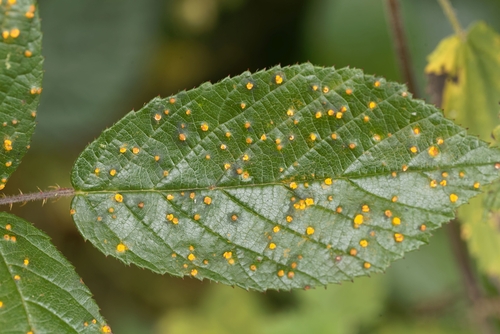
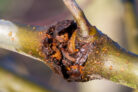
In the early stages, cane blight shows up as small purple or black spots on the canes and shoots. As it progresses, you might see more pronounced fungal fruiting bodies forming on the stems.
Dealing with Rubus Stunt
If you notice your side shoots looking unusually stunted or growing in weird, bushy clusters, you’re likely looking at Rubus Stunt. Unfortunately, affected shoots usually can’t recover and will die off after a few years. Your best bet is to prune away any suspicious-looking growth immediately and be quite generous with your cuts.
Managing Mildew
Powdery mildew is easy to spot—it looks like a white or grayish dusty coating on the leaves and shoots. Downy mildew, on the other hand, often causes the unripe berries to dry up and shrivel. A great natural fix for both is a homemade spray made from stinging nettle or horsetail tea. It’s a classic organic gardener’s trick that works wonders!
The Blackberry Mite
It’s not just diseases you have to watch out for; tiny pests like to join the party too. While aphids and weevils occasionally pop up, the blackberry mite is the most common visitor. These tiny critters feed on the fruit, which prevents the berries from ripening fully. Instead of turning completely black, the berries will have stubborn red patches that never seem to darken.
A Note on Wild Blackberries and Fox Tapeworm
If you’re foraging for wild blackberries in the woods or meadows, you need to be aware of the fox tapeworm. This is a serious health risk for both humans and pets and can lead to severe illness. To stay safe, never eat wild berries straight off the bush while picking them. Always bring them home and give them a very thorough wash before eating or cooking with them.
Skip the Harsh Chemicals
I always recommend avoiding chemical pesticides and fungicides whenever possible. Sure, they might give you a quick fix, but they often ruin the flavor of your berries for years to come.
Most problems can be solved by simply pruning away the affected canes or using natural home remedies. Only reach for the heavy-duty chemical stuff as a last resort to save the plant itself—and if you do, you should probably wait a few seasons before eating the fruit again.