Fresh Blackberries Don’t Last Long
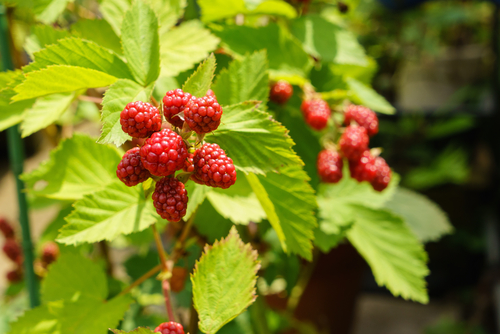
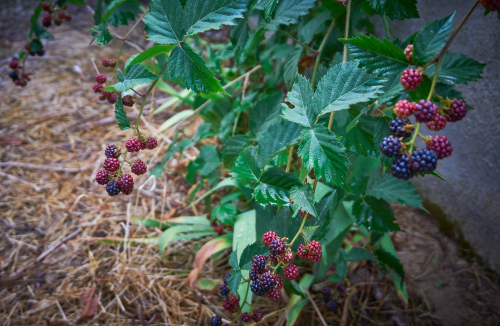
Whether they’re still on the bush or sitting in your fridge, ripe blackberries have a pretty short shelf life. To keep mold from spreading and ruining your whole harvest, you’ll want to pick the ripe ones regularly. Since they only stay fresh in the fridge for a couple of days, it’s a great idea to have a plan for processing them—like canning—so none of that homegrown goodness goes to waste.
Ways to Preserve and Use Your Harvest
Because they spoil so quickly, you’ve got to move fast once you’ve picked them. If you can’t eat them all right away or bake them into a pie or cobbler, here are the best ways to keep those fresh berries around for longer:
Beyond the basics, you can also whip up homemade syrups, juices, or even liqueurs. If you store them properly, these treats will stay delicious for several months.
Different Ways to Can Blackberries
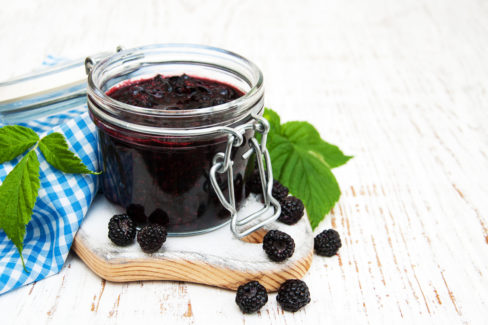
Canning (or “putting up”) these dark berries opens up a world of tasty possibilities. Some fan favorites include:
- Jams or jellies
- Compotes or fruit purees
- Savory chutneys
Just chop the berries into small pieces or give them a quick pulse in a blender or food processor. Then, mix them with sugar and your other ingredients, heat everything up, and seal them in airtight jars.
Sugar is Your Best Friend for Preservation
When you’re canning, don’t skimp too much on the sugar. While you definitely want to keep that signature tangy blackberry flavor, sugar acts as a natural preservative. It’s what ensures your berries stay safe to eat and taste great for the long haul.
Proper Storage Tips
Once your jars are sealed, find them a nice home in a cool, dark place—a basement or a pantry is perfect. The key is making sure those lids are airtight to prevent any mold from creeping in. If you store them right, your berries will easily last for several months.
Do You Really Need to Wash Them?
If you’re foraging for wild blackberries in the woods, you should generally give them a good rinse with clean water to protect against fox tapeworm. However, since high heat (anything over 140°F / 60°C) kills off those pathogens, washing isn’t strictly necessary if you’re planning on boiling them down for canning.