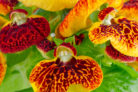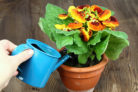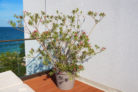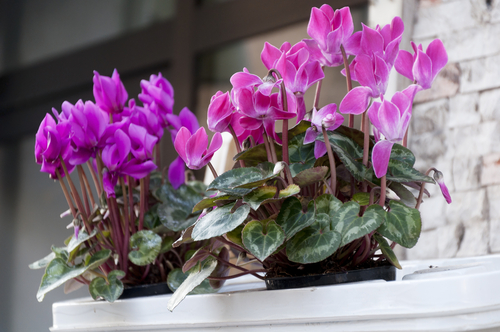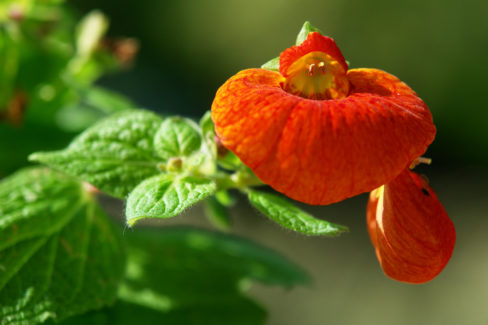
Most people know the Pocketbook Plant (Calceolaria) as a quirky little indoor plant sitting on a windowsill. But here’s a pro tip: many varieties are actually fantastic for adding a pop of bright, cheerful color to your balcony! If you want to level up your outdoor space with these unique blooms, here is everything you need to know about picking the right variety and keeping them happy.
Choosing the Right Variety
In the wild, Pocketbook Plants usually sport bright yellow blooms, but you’ll find hybrids today in all sorts of colors. A word of caution, though: many of those fancy indoor hybrids have a very short lifespan and bloom as early as January, making them a no-go for your balcony. For outdoor success, stick with the classic Calceolaria or, even better, the Garden Pocketbook Plant (Calceolaria integrifolia). This variety stays true to that sunny yellow color, grows anywhere from 8 to 40 inches tall, and comes in both upright and trailing versions. They’ll open up in June and keep the show going all the way through September. Just keep in mind that most gardeners treat these as annuals.
Finding the Perfect Spot
Pocketbook Plants love bright light, but they aren’t big fans of direct, scorching sun. Because of that, they’re the perfect choice for north-, west-, or east-facing balconies. If you have a south-facing balcony that gets baked in the sun, you’ll definitely want to provide some shade with a patio umbrella. The cool thing about Calceolaria? They’ll still put on a beautiful floral show even in partial or full shade.
Planting Your Pocketbook Plants in Window Boxes
Ready to get planting? Here are a few tips to make sure your balcony display thrives:
The Right Soil
For the best results, use a mix of standard potting soil and a little bit of compost. Most importantly, make sure you add a drainage layer (like clay pebbles or gravel) at the bottom of your pot or planter to keep the roots from getting soggy.
Keep the Water Coming
These plants are thirsty! The soil should stay consistently moist and never be allowed to dry out completely. However, there’s a fine line—make sure they aren’t sitting in standing water, or you’ll run into root rot.
Feeding Your Plants
A little extra nutrition goes a long way in keeping those blooms coming. I recommend using a liquid flowering plant fertilizer every two weeks during the growing season.
Do You Need to Prune?
Good news for low-maintenance gardeners: you don’t really need to prune Pocketbook Plants. If you’re growing Calceolaria integrifolia, they stay naturally compact anyway. Just make sure to pinch off any dried-out stems or spent flowers. Deadheading (removing old blooms) prevents the plant from wasting energy on seed production, which keeps it looking fresh. And hey, if you want more plants for next year, you can always propagate them using cuttings!