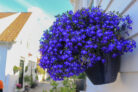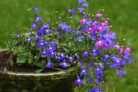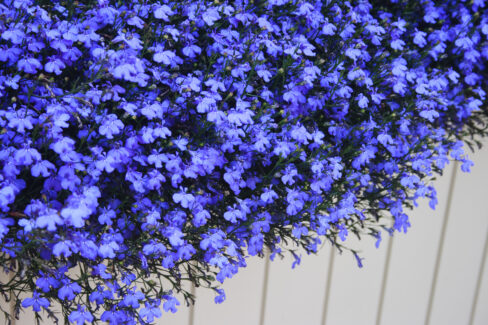
Blue Lobelia, often called “Edging Lobelia,” is a total favorite among home gardeners for its stunning, signature blue and purple blooms. It’s a fantastic choice for adding a pop of color to your balcony—and I’m here to show you exactly how to make it thrive.
The Best Spot on Your Balcony
Lobelia loves a warm, sunny spot. While it can handle partial shade, you’ll get the most “wow” factor and the densest flowers if it gets plenty of sunlight. These plants usually grow between 6 and 12 inches tall, making them easy to tuck into almost any nook. If you want to level up your balcony’s vibe, look for trailing varieties that spill beautifully over the edges of pots.
While most of us picture those classic deep blues and purples, plant breeders have been busy! You can now find Lobelia in shades of red, white, and even pink. This makes it super fun to mix and match with other flowers. Just make sure its “roommates” enjoy the same sun and water conditions—petunias and geraniums are perfect companions. One quick pro-tip: wait until the last frost has passed before you get them in the ground or out on the balcony.
Keeping Your Lobelia Happy
You can expect blooms from June all the way through October. If you notice your plant looking a little tired mid-season, don’t panic! A quick, bold pruning can work wonders, encouraging the plant to recharge and put on a second show of flowers in the fall. Since blooming takes a lot of energy, be sure to feed your Lobelia with a liquid fertilizer every two weeks.
When it comes to water, these plants are thirsty! In the heat of summer, you might need to water them up to twice a day. However, they hate “wet feet,” so avoid standing water at all costs. To keep things draining well, line the bottom of your pots with broken terracotta shards or coarse gravel. Or, even easier, just make sure you’re using a container with plenty of drainage holes.
Growing Blue Lobelia: Quick Tips for Success
- Pick a warm, sunny location for the best results.
- Remember: more shade means fewer flowers.
- Get creative! Mix different colors with companion plants like petunias.
- Wait until the danger of frost is over before planting.
- Feed your balcony plants with fertilizer every two weeks.
- Stay on top of watering—up to twice a day when it’s hot out.