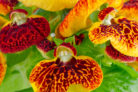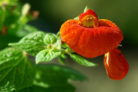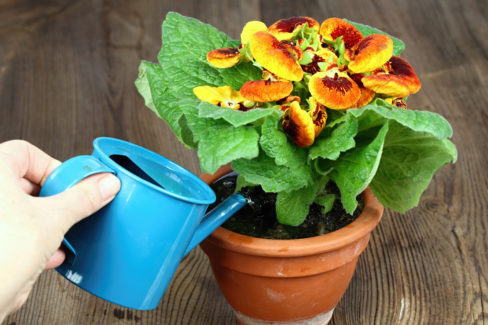
The Pocketbook Plant (also known as *Calceolaria*) is a total showstopper with its unique, pouch-like blooms that look just like little slippers. But there’s more to this plant than just its quirky looks and vibrant colors—what gardeners really love is how long those flowers stick around. So, when exactly can you expect these beauties to bloom? Let’s dive into the details.
Year-Round Flower Power
Whether you’re looking to brighten up your garden beds, balcony boxes, or just a sunny windowsill, the Pocketbook Plant is a fantastic choice. The best part? Once those buds pop, they stay beautiful for months—as long as you pick the right variety. While the original wild versions are usually yellow, breeders have developed hybrids in all sorts of stunning colors.
Many of these colorful hybrids are short-lived, so they’re often treated as indoor houseplants rather than permanent garden fixtures. But here’s a pro tip: breeders have actually figured out how to get these plants to bloom in the dead of winter! You can usually find these “winter bloomers” in shops starting in January. Even though the indoor bloom cycle only lasts a few weeks, it’s the perfect way to beat the winter blues with a splash of color.
Bloom Times by Variety
To help you pick the perfect *Calceolaria* for your space, I’ve put together a quick cheat sheet of the most common varieties and when they show off their flowers:
- Calceolaria integrifolia: Classic yellow blooms; an annual or biennial that isn’t frost-hardy. Blooms from April all the way through October.
- Calceolaria Hybrids: Available in a rainbow of colors; usually grown as annuals indoors. Blooms from January to May.
- Calceolaria arachnoidea: Unique purple flowers; a perennial variety. Blooms in June and July.
- Calceolaria cavanellesii: Bright yellow flowers; perennial. Blooms in June and July.
- Calceolaria biflora: Yellow petals with cute red speckles; a perennial that needs a little extra protection in winter. Blooms in June and July.
- Calceolaria falklandica: Cheery yellow blooms; perennial. Blooms in June and July.
Can You Extend the Bloom Time?
I’ll be honest with you: there isn’t a secret pruning trick or special fertilizer that will force these flowers to last longer than their natural cycle. However, you don’t have to say goodbye forever! Even the short-lived varieties can be enjoyed year after year if you propagate them. Just save some seeds or take a few cuttings, and you’ll have a fresh batch of “slippers” ready for the next season.