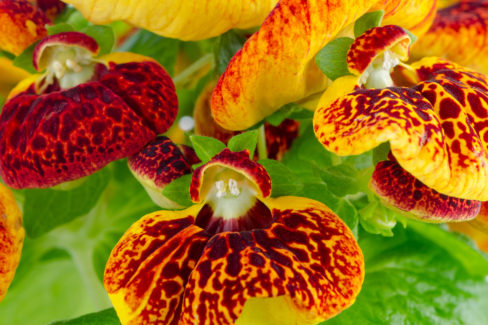
When you’re browsing the garden center, you’ll often see Pocketbook Plants (Calceolaria) labeled as “hardy.” But does that actually hold up when the frost hits? Most of the time, you’ve got to be careful—these beauties are usually pretty sensitive to the cold. In this guide, I’ll walk you through how to actually overwinter these unique flowers so they make it to next spring.
Pocketbook Plants have specific winter needs
The Pocketbook Plant originally hails from South America, where winters are a whole lot milder than what we’re used to in the States. Because of those tropical roots, it makes sense that they aren’t big fans of freezing temps. However, Calceolaria comes in several varieties: some are annuals, some are biennials, and others are perennials. To keep yours happy, you need to know exactly which one you’re dealing with.
An unusual blooming schedule
The annual varieties are best kept as indoor potted plants on a sunny windowsill. The cool thing? They actually bloom during the winter indoors! Once they’re done flowering, though, the plant naturally dies off. In this case, “overwintering” is easy—just keep them cozy on your windowsill and enjoy the show until they’ve run their course.
Don’t let the labels fool you
You’ll often see perennial varieties sold as “hardy perennials” at big-box stores. While they *can* survive the winter outdoors, they aren’t invincible. If you leave them totally exposed, they will likely freeze.
Pro Tip: If you’re keeping them in the ground, give them a cozy “blanket” of mulch, dry leaves, or brush to protect the roots from the deep freeze.
Biennial varieties are even less hardy than the perennials. They really need a protected spot to survive, like a cold frame or an unheated greenhouse. They’re a bit picky, though—they don’t like it too warm, either. Try to keep the temperature around 50°F (10°C) and definitely not much higher.
Pro Tip: If you’ve planted a biennial variety in your garden beds, digging it up and potting it for the winter is often more trouble than it’s worth. If you want to save yourself the hassle, just take some cuttings in the fall. They root easily on a windowsill, and you’ll have brand-new plants ready for spring without the heavy lifting!