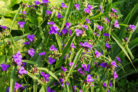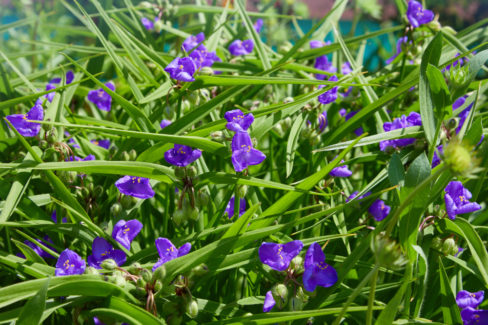
The Spiderwort (Tradescantia) is a total favorite for perennial beds and looks absolutely stunning along the edges of garden ponds. With its unique, three-petaled flowers, it’s a real head-turner in any landscape. Since these beauties are hardy perennials that come back year after year, picking the perfect spot for them is key to keeping them happy and healthy for the long haul.
Finding the Perfect Spot for Your Spiderwort
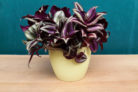
First things first: we need to distinguish between the houseplants and the garden varieties. If you’re growing Spiderwort indoors, it’ll thrive in a bright spot with temperatures between 68°F and 77°F. Just be sure to keep it out of direct, scorching sunlight, as too much sun can actually make the plant more susceptible to pests.
Growing Spiderwort Outdoors
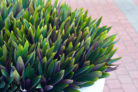
When planted as a hardy pond-side perennial, Spiderwort grows in a lovely, upright habit reaching up to 24 inches tall. If the conditions are right, it’ll quickly form large, lush clumps. These perennials love anything from full sun to partial shade, though they can handle darker corners too. The most important thing? The soil needs to stay consistently moist. This makes them perfect for boggy areas or the edges of water features. Just a heads-up: Spiderwort spreads pretty fast via its root system. If you don’t want it taking over the whole yard, it’s a smart move to install a root barrier right when you plant it.
The Dirt on Soil
The ideal “home” for your Spiderwort is a sandy-loamy or sandy-clay mix. You’re looking for soil that hits these marks:
- Rich in organic matter (humus)
- Nice and loose, not compacted
- Well-draining (even though they like moisture, they need to breathe!)
- Nutrient-dense (don’t be afraid to mix in some compost)
- Consistently moist, but definitely avoid standing water
Planting and Cultivation
The best time to get your Spiderwort in the ground is during the spring or fall. They look absolutely gorgeous when planted in groups, but make sure to give them some elbow room—about 15 inches between plants is perfect so the roots have space to spread out. When you’re digging in, keep these two tips in mind:
- If your soil is naturally very heavy or wet, add a drainage layer of coarse gravel or expanded clay at the bottom of the hole. This prevents root rot, which is the quickest way to kill a happy plant.
- Don’t forget that root barrier if you want to keep the plant from wandering into your neighbor’s yard!