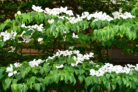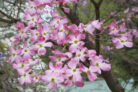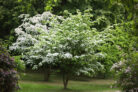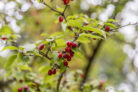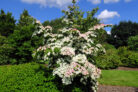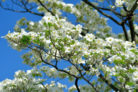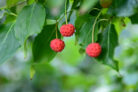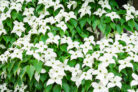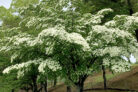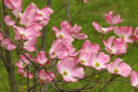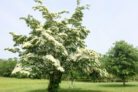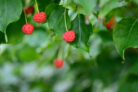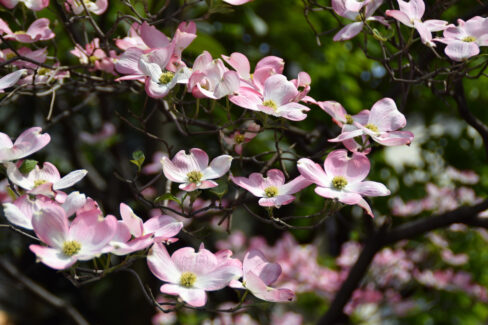
If you pick the perfect spot for your flowering dogwood, you’ll be rewarded with a stunning display of blooms every year. Here’s the lowdown on how to make sure your shrub thrives and what you need to keep in mind when getting it into the ground.
Setting the Stage for Success
Flowering dogwoods are sun-lovers at heart. To keep them happy, you’ll want to plant yours in a spot that gets full sun to partial shade. That sunlight is crucial for the plant’s metabolism and overall health. Keep this in mind if you’re planning to tuck it near a large tree or right next to a wall—make sure it isn’t getting completely shaded out!
The soil quality matters quite a bit, too. These beauties do best in sandy, humus-rich soil or even a nice loamy mix. If your soil is looking a little lackluster, don’t worry—just mix in some fresh humus or compost regularly. This gives the plant the nutrients it needs to ensure it actually starts blooming.
One thing dogwoods are picky about is “wet feet.” While they do need regular watering, they absolutely hate sitting in stagnant water. To prevent root rot and keep the plant from getting sick, make sure the area drains well. If your soil is heavy, adding a drainage layer is a smart move to help that extra moisture move along.
How to Plant Your Flowering Dogwood
Timing is everything! The best time to get your dogwood in the ground is either in the spring or late summer. This gives the roots plenty of time to get established before the first frost hits. When you’re ready to plant, mixing in some well-rotted compost will give your shrub a great head start.
Here’s your quick checklist for planting:
- Add mature compost directly into the planting hole.
- Spread a layer of bark mulch over the soil surface.
- Keep the plant hydrated with regular watering.
- Double-check that the spot doesn’t collect standing water.
Give your dogwood some breathing room! Plant it as a standalone feature or make sure there’s plenty of space between it and its neighbors. This ensures it gets enough sunlight and doesn’t have to compete for nutrients. Finishing off with a layer of bark mulch is a pro tip—it helps lock in moisture and slowly releases nutrients over time. And once your shrub is established, you can even try propagating your flowering dogwood to get even more blooms in your garden!