The Spiderwort—also known by its botanical name *Tradescantia*—is a real versatile beauty. You might know it by other nicknames like “Inch Plant” or “Wandering Dude.” Some varieties are absolute rockstars as indoor houseplants, while others are hardy perennials that can handle life in your garden beds. Originally hailing from the tropical and subtropical regions of North and South America, these plants are surprisingly low-maintenance. But, as with any exotic plant, there’s always one big question: Is it toxic?
Is the Spiderwort Dangerous?
If you ask scientists about the toxicity of the Spiderwort, you’ll get a bit of a mixed bag. Some classify it as mildly toxic, while others claim it’s completely harmless. Since it doesn’t contain any high-level toxins, it’s generally considered safe to have around. However, because the science isn’t 100% settled, it’s better to be safe than sorry when it comes to kids and pets. If you’ve got a Spiderwort in your home, here are a few pro-tips to keep everyone safe:
- Keep pots and containers off low tables where little hands or paws can reach them.
- Choose a spot out of reach—hanging baskets are a perfect, stylish solution!
- Trim off dead flowers or dried leaves before they fall to the floor.
- When repotting, make sure no stray clippings end up as a snack for your cat or dog.
- Since the plant sap is the most likely culprit for potential irritants, always give your hands a good scrub after pruning or handling the plant.
How to Spot a Spiderwort
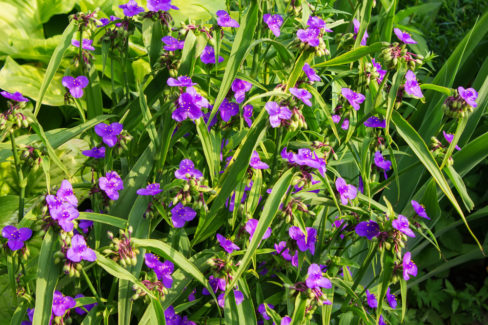
This exotic beauty is easy to recognize thanks to its unique three-petaled flowers, usually in shades of blue or violet. It belongs to the Commelinaceae family and is a monocot. While some varieties are perfect for growing as houseplants, most types thrive best in the garden in a nice sunny spot. If you find the right location, your Spiderwort will return year after year. They especially love being near water, making them great choices for pond edges or stream banks.
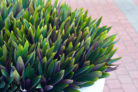
The plant features narrow, deep-green leaves that point upward along slender stems. The three-petaled flowers grow in clusters, and their colors can range from pure white and soft rose to vibrant pink, deep blue, and even turquoise. The funny thing about these blooms? Each individual flower only lasts for a single day! But don’t worry—the plant is a blooming machine and immediately replaces them with new ones, keeping your garden colorful all summer long.