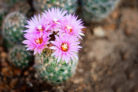
When most of us think of cacti, we picture those prickly desert succulents with wild shapes and sharp spines. But here’s a fun fact: there are actually plenty of members in the massive cactus family that you can grow without ever worrying about a needle prick! In this guide, I’ll introduce you to some of the most beautiful thornless varieties and explain how they differ from their spiky cousins.
Adaptable Desert Warriors: A Quick History Lesson
Believe it or not, cacti didn’t start out with spines. Over millions of years, these desert dwellers were forced to adapt to incredibly hot, dry climates. This is how they mastered the art of succulence—becoming clever survivalists that store water in their leaves, stems, and shoots. To keep that precious moisture from evaporating, they evolved to roll their leaves into tight, protective thorns.
Ouch-Free Greenery: Spineless Cactus Varieties
Not every cactus had to go through that desert “boot camp.” Cacti native to the South American rainforests never needed those extreme adaptations. Known as “leaf cacti,” these varieties sport lush green foliage and, if they have anything at all, it’s usually just soft, hair-like bristles rather than sharp spines. Here are a few favorites:
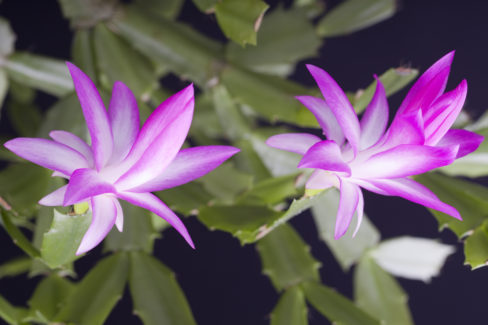
- Schlumbergera (Christmas Cactus): A winter favorite with stunning, bright red blooms.
- Hatiora (Easter Cactus): Known for its gorgeous orange-red, carnation-like flowers.
- Disocactus ackermannii (Orchid Cactus): Features striking white cup-shaped flowers with red edges.
- Epiphyllum (Climbing Cacti): These beauties produce massive white, pink, or red funnel-shaped flowers on trailing stems.
- Rhipsalis (Mistletoe Cactus): Famous for its long, unique, rod-shaped shoots.
In the wild, most of these rainforest dwellers grow as epiphytes (meaning they live high up on the branches of massive jungle trees). Up there, they can produce giant flowers—some reaching up to 12 inches in diameter! One of the coolest things about them? Many leaf cacti bloom at night, creating a truly mystical jungle vibe in your home.
Finding the Right Spot: Skip the Scorching Sun
Unlike their sun-worshipping desert relatives, thornless cacti actually prefer locations with partial shade. This mimics the dappled light of the South American mountain and rainforest canopies. If you have an east- or west-facing window, you’ve found the perfect home for a leaf cactus. This way, they get plenty of light without being scorched by the intense midday sun.
Pro Tip: These plants love humidity! Aiming for around 70% humidity will keep your leaf cacti looking vibrant and healthy.
Care Tips for Your Leaf Cacti
While desert cacti can practically grow in sand, spineless varieties prefer loose, nutrient-rich soil with a slightly acidic pH. A high-quality rhododendron soil mixed with lava granulate, pine bark, or Seramis works wonders.
To keep your plant happy, follow these simple steps:
- Water your leaf cactus with lime-free water (like rainwater or filtered water) as soon as the top layer of soil feels dry.
- Give the whole plant a light misting with soft water every couple of days.
- From March to September, feed them every two weeks with a liquid fertilizer specifically formulated for leaf cacti.
One last thing: since leaf cacti don’t rely on heavy water storage like desert succulents, you can prune them whenever they get a bit too wild. Just make sure to use sharp, sterilized shears to keep the plant healthy!