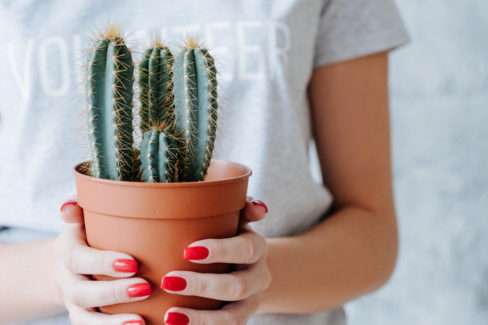
When most people think of cacti, they picture hot, dusty desert landscapes. But believe it or not, not every cactus calls the desert home! Many of these exotic survival experts actually hail from tropical rainforests, yet they’re still proud members of the massive cactus family. Stick around as we dive into the fascinating details of these multifaceted plants in this quick guide.
Cacti: Key Characteristics & Traits
Cacti are some of the toughest, most adaptable plants in the world. Most members of the cactus family are succulents, meaning they are pros at storing water. Those internal reservoirs in their stems, roots, or even spines help these “survivalists” make it through long dry spells.
Beyond their impressive hydration skills, cacti bring some pretty cool features to the table:
- Botanical Family Name: Cactaceae
- Growth Habit: Mostly perennial shrubs, though some grow as trees
- Variety: Over 100 genera with about 1,800 species (and countless cultivars!)
- Height: Highly variable; anywhere from half an inch to 15 feet tall
- Shape: Round, disc-shaped, slender, columnar, bizarre, or even creeping along the ground
- Hardiness: Depends on the variety; some are frost-sensitive, while others are totally winter-hardy down to -13°F (-25°C)
- Origin: North, Central, and South America
- Habitat: Deserts, steppes, mountains, and even rainforests
- Blooms: Showy flowers in a rainbow of colors like white, red, pink, orange, yellow, or green
- Armor: Usually covered in various types of spines or thorns
Desert Cacti vs. Leaf Cacti
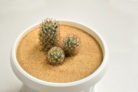
The huge cactus family is generally split into succulent desert cacti and non-succulent leaf cacti. Both groups offer an almost overwhelming amount of variety. A classic example of a desert cactus is the Golden Barrel Cactus (botanically: *Echinocactus grusonii*). This prickly succulent can grow up to 4 feet tall and 2.5 feet wide, decked out in long, golden-yellow spines.
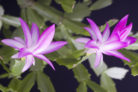
On the flip side, one of the most famous spineless cacti is the “Christmas Cactus” (botanically: *Schlumbergera*). This red-flowering beauty is native to the (sub)tropical regions of South America and actually prefers partial shade. Since it shows off its gorgeous blooms right around the holidays, it’s a super popular winter gift.
Opuntia: The Cacti with Edible Fruit
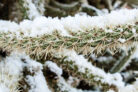
Opuntias are a beloved genus often known as “Prickly Pears.” After a generous blooming phase, these plants produce edible fruits that can be eaten fresh just like any other fruit. While many Prickly Pears lack heavy thorns, they often protect themselves with tiny, silvery hair-like bristles called glochids—so handle with care!