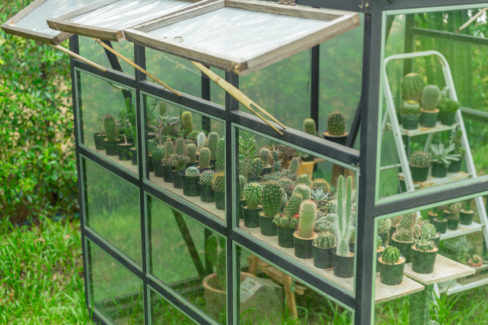
If you’re dreaming of seeing your cactus burst into a spectacular bloom, there’s one secret you need to know: your plant needs a proper winter nap. Believe it or not, pretty much every cactus species relies on a cool, dry dormant phase to set its flower buds. If you skip this, you’ll likely just have a green (but flowerless) plant come spring.
Here’s how to give your prickly friends the winter rest they deserve.
Getting Ready: The September Transition
If your cacti spent the summer soaking up rays on the balcony or patio, it’s time to bring them inside once the temperatures start to dip in September. Think of your windowsill as a “staging area” before they move to their final winter home.
During this time, you’ll want to start tapering off the water. The goal is to get the soil nice and dry for the winter. You should also give them their final dose of liquid fertilizer around mid-September—after that, the “kitchen” is closed until spring!
The Main Event: How to Master the Winter Dormancy
By late October or early November, it’s officially nap time. For most cacti, this means a environment that is both cool and bright. Here’s your checklist for a successful winter rest:
- The Perfect Spot: Somewhere bright and sunny.
- The Temperature: Keep it cool, ideally between 40°F and 55°F (5° – 12° C).
- The Last Drink: Give them one final deep soak at the end of October.
- Big Cacti (like Columnar types): Don’t give them a single drop of water until February.
- Small Cacti (like Opuntia or Forest types): A tiny sip of water every now and then is fine so they don’t shrivel completely.
An unheated bedroom or a bright, cool basement window is usually the perfect “winter hotel.” As long as they stay around 40-50°F, they’ll be happy and dormant until the end of February.
Exceptions to the Rule
Of course, there are always a few rebels in the family! Some winter-blooming cacti don’t follow the standard schedule. This includes favorites like the Christmas Cactus (*Schlumbergera*) or the vibrant *Rhipsalidopsis*.
Because these beauties bloom during the winter, they don’t start their rest period until *after* the flowers fade. They usually only need about a month of downtime (typically late January through February) before they gear up for the spring growing season.
Spring Awakening: Post-Winter Care
Once March rolls around, your cacti can move back to their favorite sunny windowsills. To wake them up gently, give them a light misting with lukewarm, filtered water. About a week later, you can get back into your regular watering and fertilizing routine. Before you know it, those winter efforts will pay off with some stunning desert blooms!