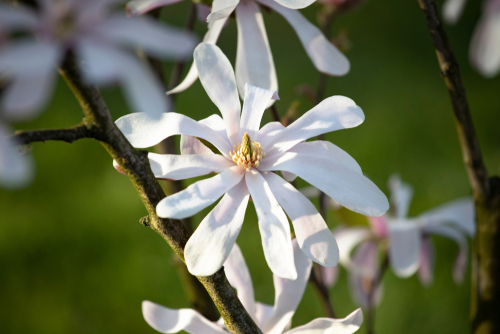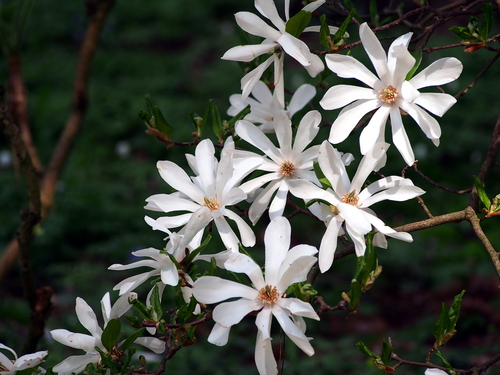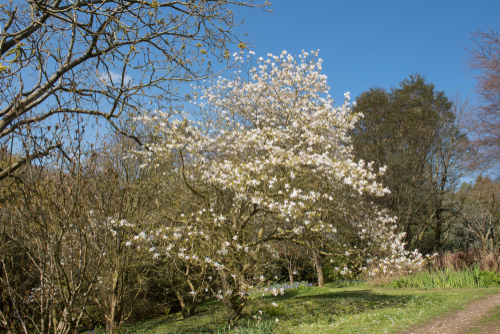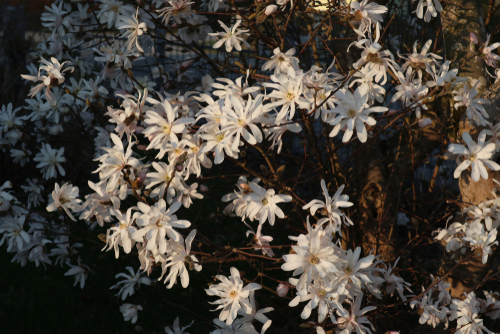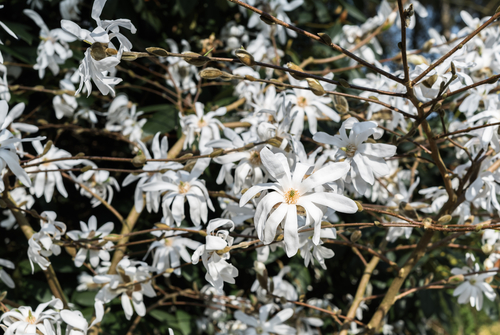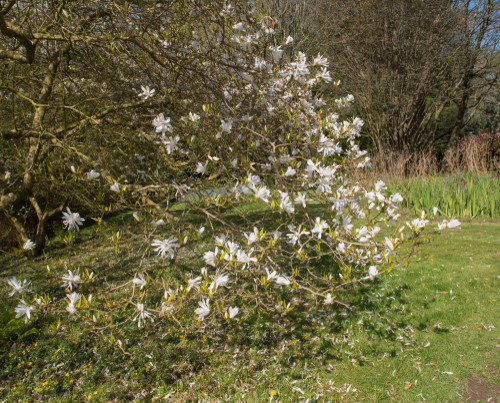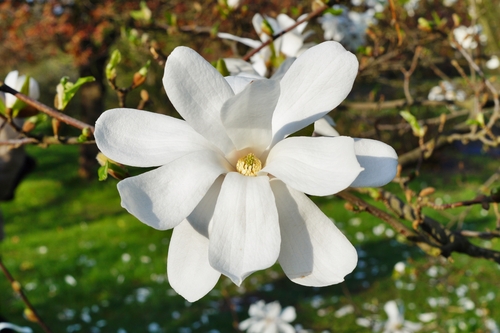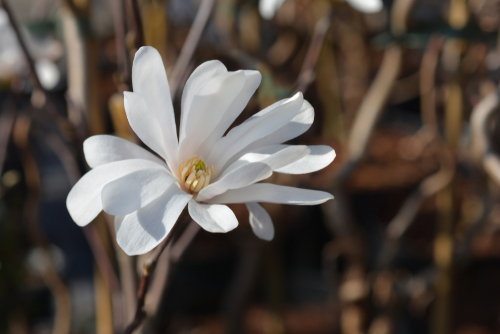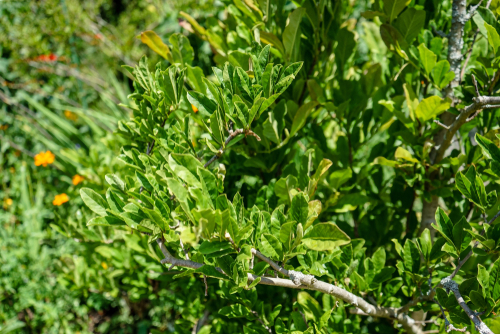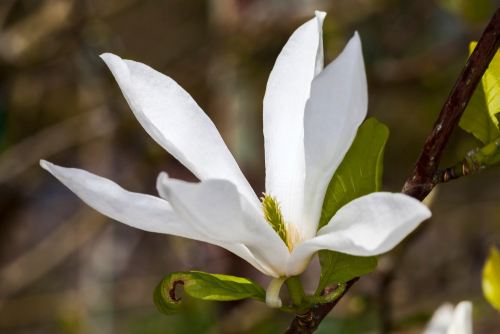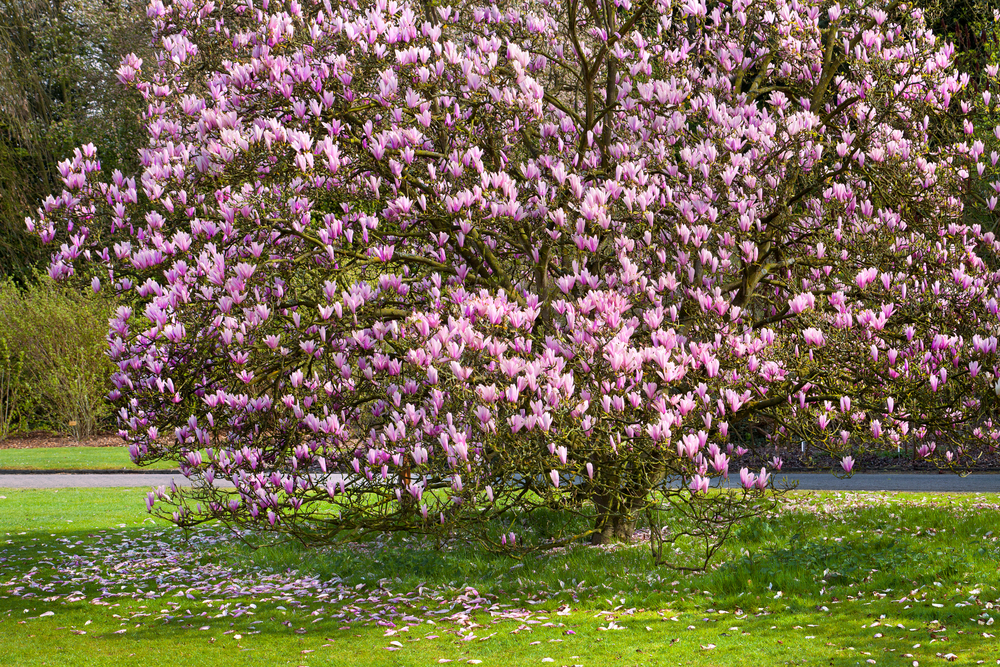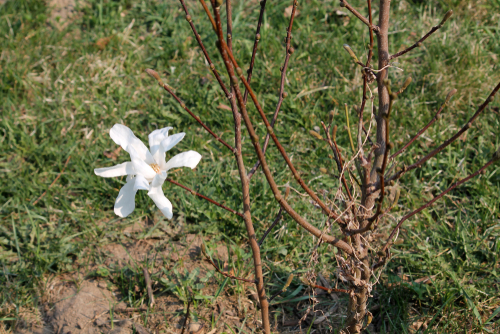
Naturally, the Star Magnolia grows into a large, sprawling shrub. However, you can also train it into a “standard”—which is just gardening lingo for a small tree with a single trunk. Just a heads-up: getting that tree shape takes a good bit of gardening skill and patience. Because they require so much extra work to shape, you’ll usually see Star Magnolia standards selling for a premium at garden centers.
The Perks of a Tree-Form Magnolia
Choosing a high-stemmed Star Magnolia over a shrub comes with some pretty cool benefits:
- Once they grow tall enough, they provide lovely dappled shade for a garden bench or seating area.
- Their elevated canopy makes a perfect, safe nesting spot for local birds.
- Because of their height and stunning spring blooms, they act as a gorgeous focal point in any landscape.
A Few Downsides to Consider
On the flip side, having a taller tree makes it a bit tougher to keep an eye out for diseases or pests. Since the leaves and flowers are way up high, you can’t inspect them as easily as you could on a shrub. You also need to give them plenty of elbow room—a mature tree-form magnolia might need up to 25 feet of space from its neighbors. Since they have shallow root systems, these taller trees need a wide area to spread out without having to compete with other plants for nutrients.
It’s All About the Soil
When you’re growing a Star Magnolia as a tree, soil quality is more important than ever. To support that larger structure, the soil needs to be well-draining and packed with nutrients. While you can definitely help things along with some fertilizer, these trees really prefer soil that is naturally slightly acidic. If your soil is very alkaline, you might find that keeping the plant as a smaller shrub is a much easier path.
Training Your Own Standard
Most folks find it’s easier to just buy a Star Magnolia that has already been trained into a tree. But if you want to save some cash and don’t mind a project, you can try training one yourself! You’ll need to be very consistent about pruning away any side shoots that pop up along your chosen main trunk. Make sure to prune them off completely to prevent “water sprouts” (those annoying vertical shoots) from growing back. It’s also a smart move to treat the larger cuts with pruning wax to protect your magnolia from fungal infections while it heals.