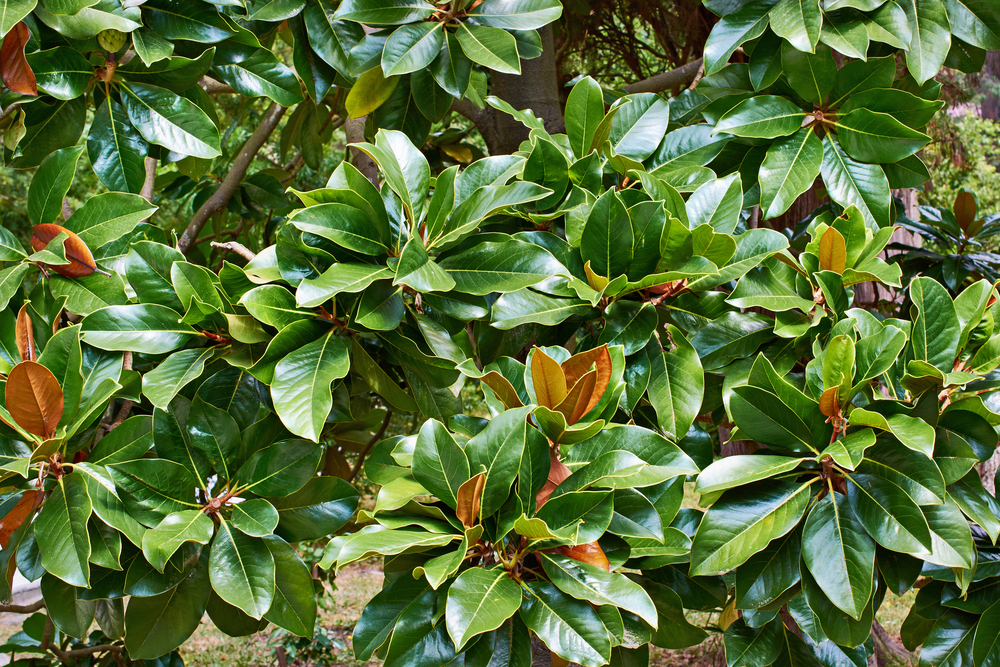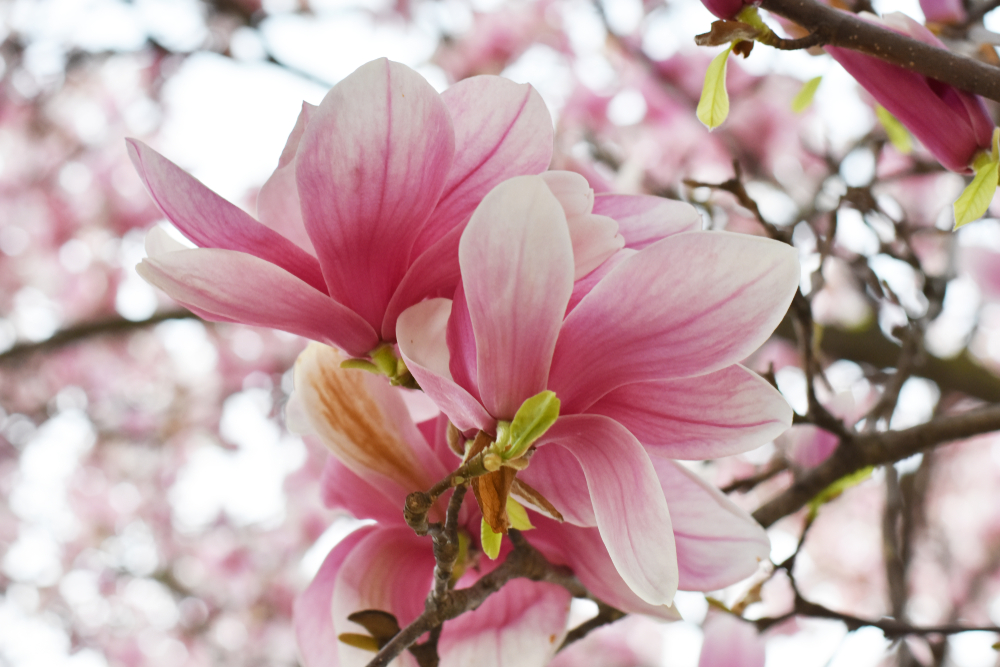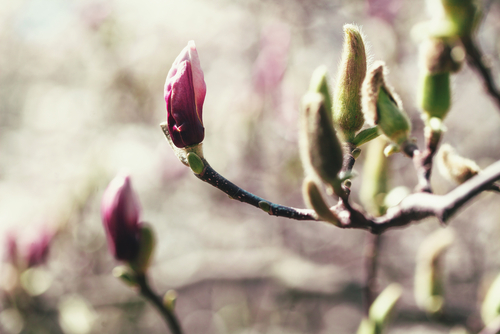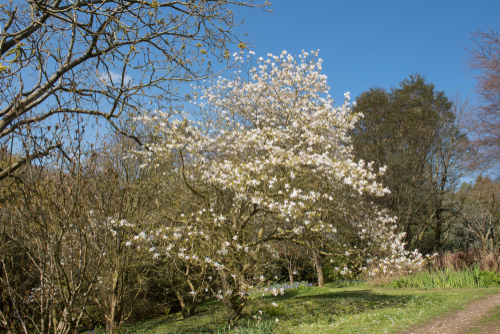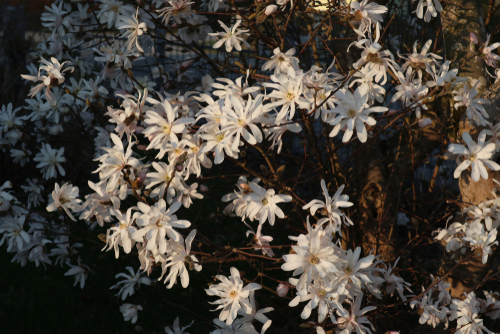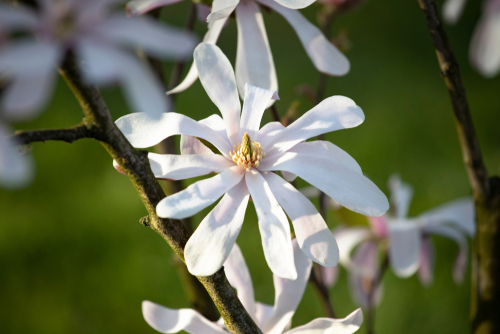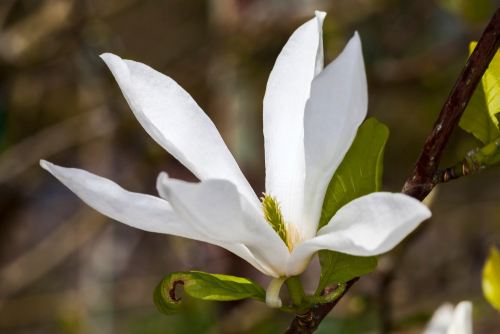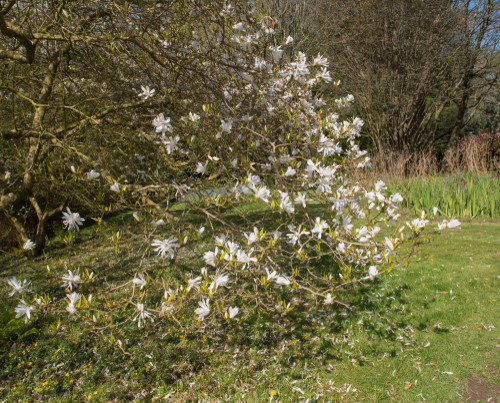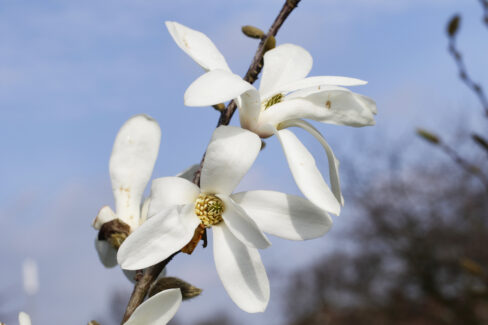
When you plant a star magnolia, those stunning, snowy-white blooms are exactly what you’re dreaming of. It’s the ultimate sign that spring has arrived! But it can be a real bummer when your tree stays green and leafy without a single flower in sight. If your magnolia is acting a bit shy, don’t worry—here are the most common reasons why it might be holding back.
Location and Soil
To get those gorgeous blooms, your star magnolia needs the “Goldilocks” of garden spots. It’s all about finding that perfect middle ground. If the spot is too shady, your plant won’t have the energy to produce flowers. On the flip side, if it gets too much intense sun too early in the year, the buds might open prematurely. If a late frost hits those tender young petals, they’ll get damaged. Your best bet? Find a spot with partial shade that’s sheltered from harsh winds.
The dirt matters just as much as the sun. Star magnolias aren’t fans of alkaline soil; if your pH is too high, you likely won’t see any flowers. They are happiest in acidic, well-draining soil that’s rich in organic matter (humus). Keep the ground consistently moist, too. During blooming season, these plants are “hungry” for nutrients, so make sure your soil is packed with the good stuff to support all that growth.
Other Common Culprits
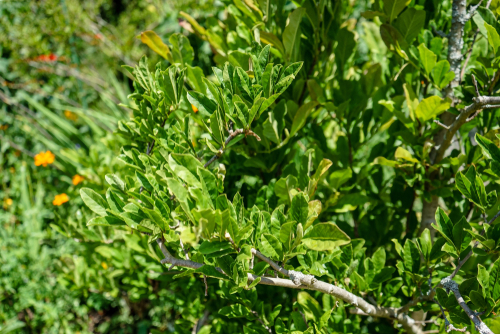
Beyond sun and soil, there are a few other reasons for a lack of blooms. One big mistake is getting a little too “clippie-happy” when pruning. If you go for a radical cutback, you’re likely snitching off the flower buds for next year. Since magnolia branches don’t just grow back overnight, you have to be extra careful with the shears. Nutrient deficiency is another factor, though if your soil is healthy, this usually isn’t an issue unless the roots have been damaged.
Did you recently move your tree? Transplanting a star magnolia can make it a bit “lazy” for a while. It can take up to two years for the plant to forgive you and settle into its new home. It needs time to recover from the stress of the move. You’ll need that same patience if you grew your magnolia from seed—sometimes it can take up to eight years before you’re finally rewarded with that first flower!
How to Boost Your Blooms
If you want to encourage your star magnolia to show off, here are a few pro-tips:
- Fertilize regularly, but don’t overdo it.
- Protect the plant from late spring frosts.
- Choose a bright, warm spot with the right soil pH.
- Keep the soil moist with regular watering.
- Spread a layer of bark mulch to retain moisture and acidity.
- Carefully prune out old wood that no longer produces flowers.