When you think of strawberries, you probably picture those bright red, juicy fruits we all love. Most of us naturally toss them into the “berry” category—I mean, it’s right there in the name, right? But here’s a fun bit of garden trivia for your next backyard BBQ: Are strawberries actually berries? Or do they belong to a completely different genus?
Strawberries are actually “Aggregate Fruits”
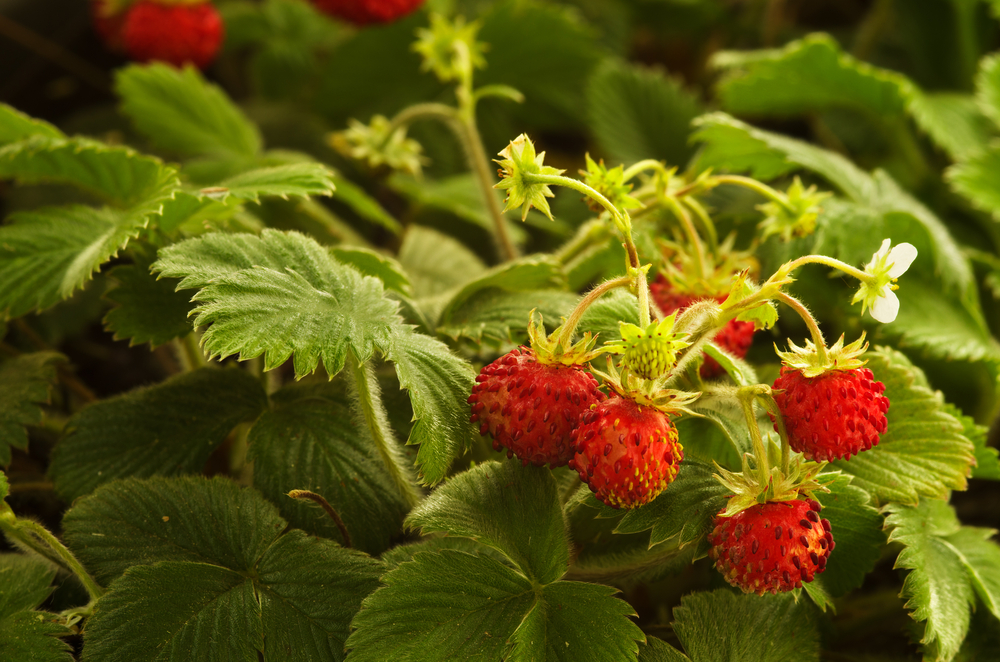
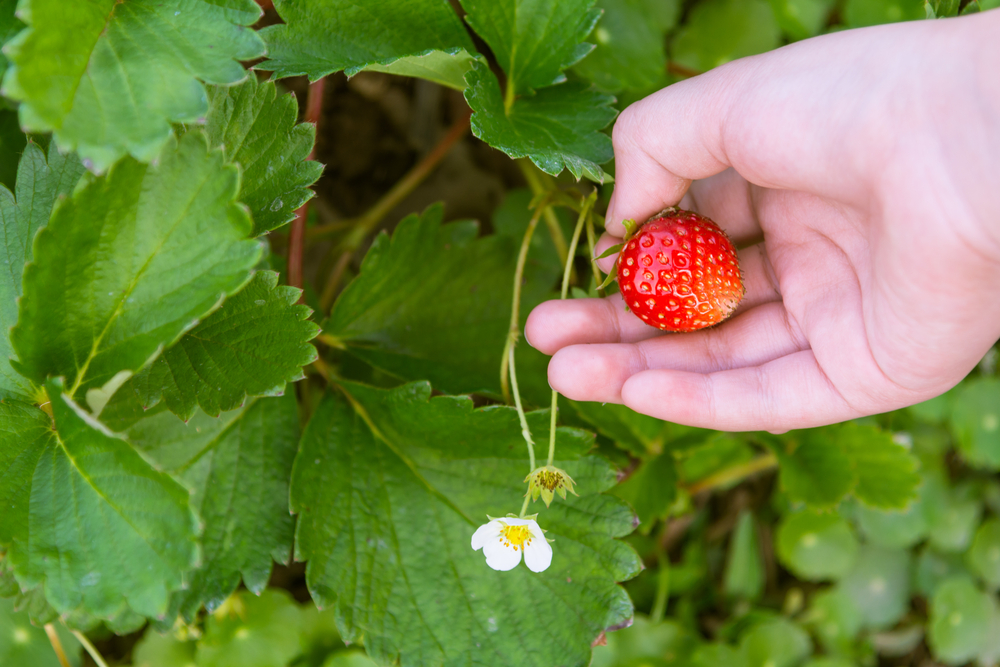
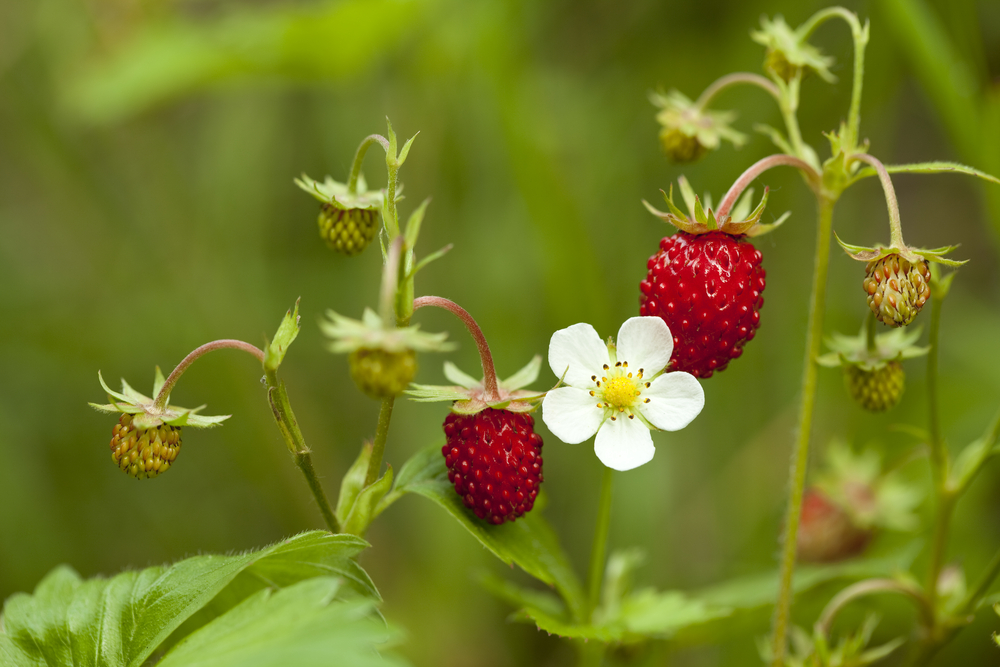
Believe it or not, the strawberry isn’t a berry at all; botanically speaking, it’s an “aggregate accessory fruit.” The real fruits are actually those tiny, yellowish-green specks on the surface, which are technically little nuts (called achenes). That delicious red flesh we love is really just the enlarged base of the flower. So, you could say the strawberry is a bit of an imposter in the berry world!
Of course, those tiny nuts are there for reproduction. To make sure the seeds get around, nature came up with a brilliant plan: the sweet, sugary red base that we find so irresistible. When animals eat the strawberries—and trust me, plenty of them want to—the hard-shelled seeds pass through their digestive systems untouched and end up being deposited far away from the original plant. That’s how a brand-new strawberry patch gets its start.
There’s a whole crew of “seed transporters” out there helping the strawberry spread its wings, including:
- Badgers
- Foxes
- Hedgehogs
- Mice
- Various bird species
- Slugs and snails
- Beetles
- Millipedes
Growing your own for the ultimate harvest
While it’s a cool natural process, it also means you’ve got some competition in the garden! If you want to actually enjoy your harvest, you’ll need to protect your plants from these hungry visitors. Bird netting is a classic choice, but make sure to choose a fine mesh so the birds don’t get tangled up. If you’re unsure, chat with someone at your local garden center for tips. You could also look into low tunnels or portable greenhouses to keep the critters at bay.
Here’s another pro tip: the number of seeds on a strawberry can actually give you a hint about the fruit’s size. It tells you whether the plant is producing large blooms or smaller ones—though, of course, the specific variety you’re growing plays a huge role too. Even if they are technically “nuts,” strawberries remain one of the most beloved treats in the garden. Every year, we count down the days until strawberry season, and for good reason! They aren’t just tasty; they’re packed with Vitamin C.
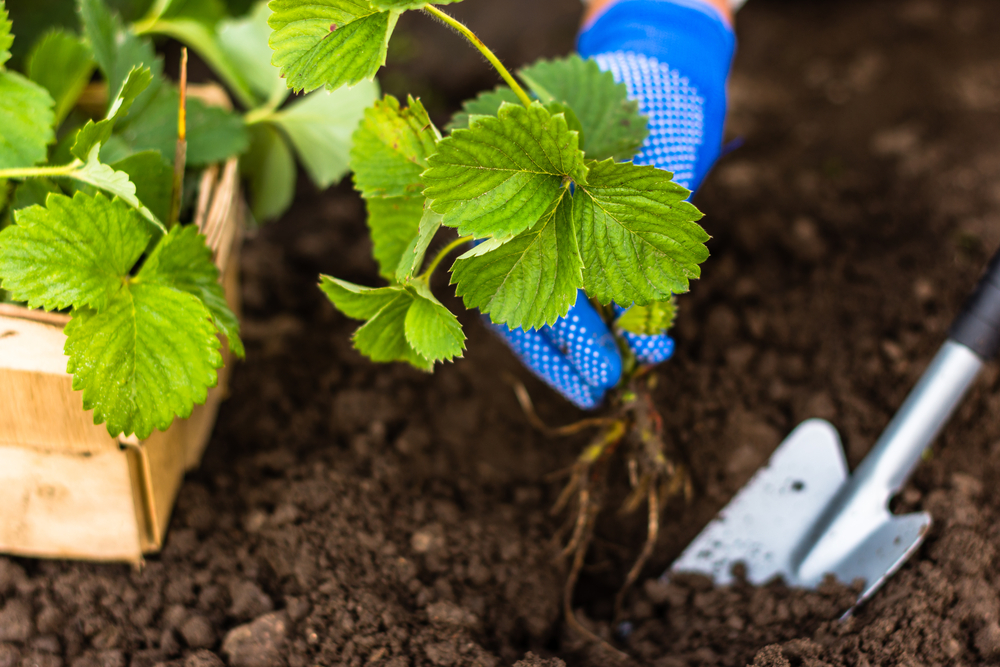
Plus, with a little bit of know-how, they are surprisingly easy to grow yourself. Once you’ve tasted a sun-warmed strawberry picked straight from your own patch, the store-bought ones just won’t cut it anymore. There are so many amazing varieties to experiment with, from heirloom varieties to unique wild types. Trust me, once you start growing them, you’ll never get bored!