You can easily find strawberry starts at your local garden center—pre-grown little plants that are ready to pop straight into your garden beds or containers. But if you’re looking for a fun challenge, why not try growing them from scratch? Starting strawberries from seed is incredibly rewarding. Here’s the lowdown on how to get it done.
Buying Seeds vs. Harvesting Your Own
Option one is the classic route: head to your favorite nursery or home improvement store and grab a few seed packets. Depending on where you shop, you might find a huge variety of heirloom types or unique cultivars. The best part? The back of the packet usually has all the specific instructions you need, making it pretty foolproof for beginners.
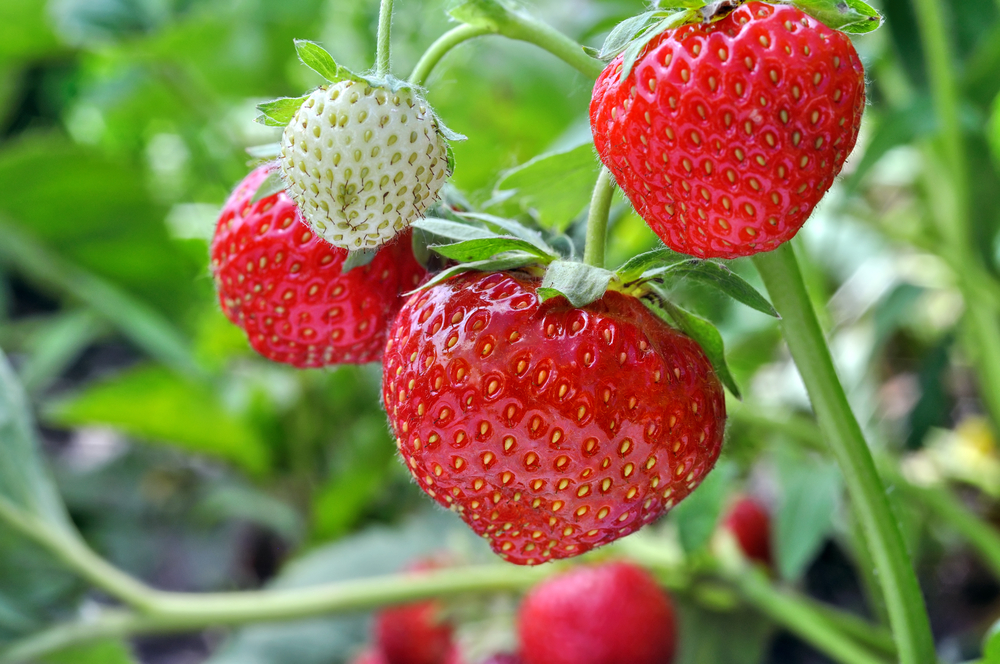
But, if you’re feeling a bit more adventurous, you can actually harvest seeds from this year’s crop! You’ve definitely noticed those tiny yellow-green specks on the surface of the fruit. Fun fact: strawberries aren’t actually berries; they are aggregate fruits. That delicious red part is just the base of the flower, while those little “pips” are the actual seeds (technically tiny nuts!).
To save your own, just slice a ripe strawberry in half and let the pieces dry out on a paper towel for a few days. Once they’re dry, you can easily scrape the seeds off with a pair of tweezers or a dull butter knife. Keep your seeds in a cool, dark, and dry spot until you’re ready to plant.
How to Sow Your Strawberry Seeds
The best time to start your seeds is late February or early March. A few hours before you plan to plant, take your seeds out of storage and let them soak in a bit of water to give them a head start.
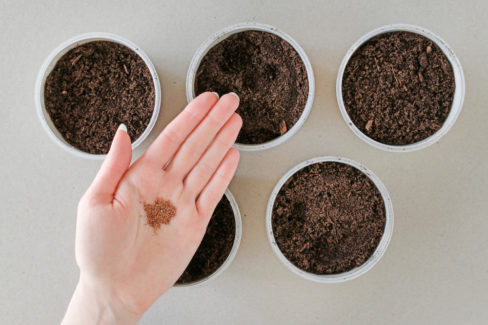
Next, prep a seed tray with a mix of standard seed-starting soil, a little sand, and some coconut coir. Scatter your seeds across the surface, but don’t bury them! Strawberries are “light germinators,” meaning they need sunlight to wake up. Just press them gently into the soil or cover them with a paper-thin layer of dirt.
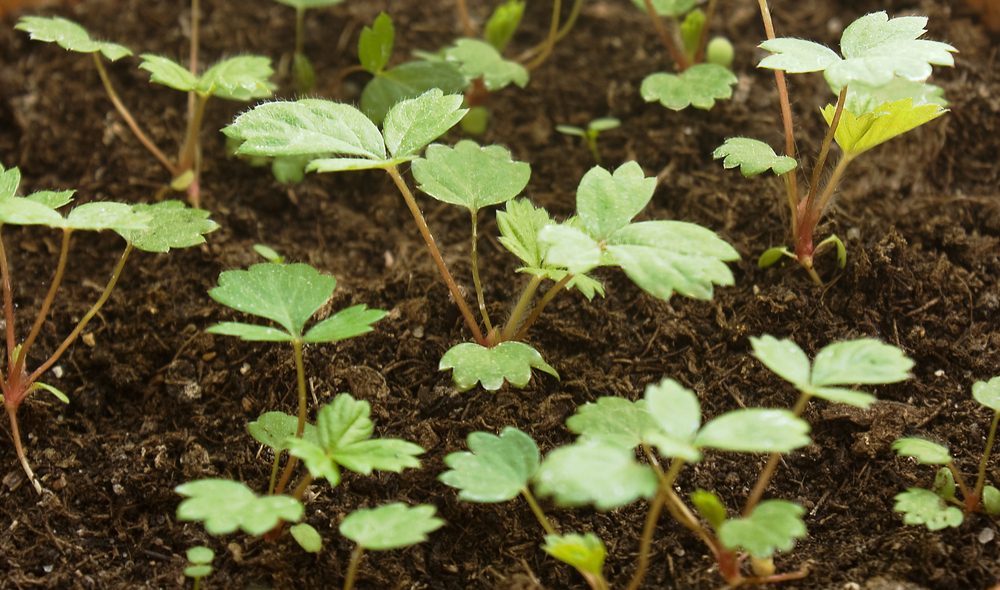
Grab a spray bottle and give the soil a gentle misting. You want it damp, but you definitely don’t want the seeds swimming in puddles. Place your tray on a sunny windowsill, ideally inside a mini-greenhouse. If you don’t have one, no worries—just drape some plastic wrap or a pane of glass over the tray to keep the humidity in. Keep them at around 65°F (18°C) and make sure the soil stays consistently moist. You should see those first little sprouts popping up in about two to six weeks!