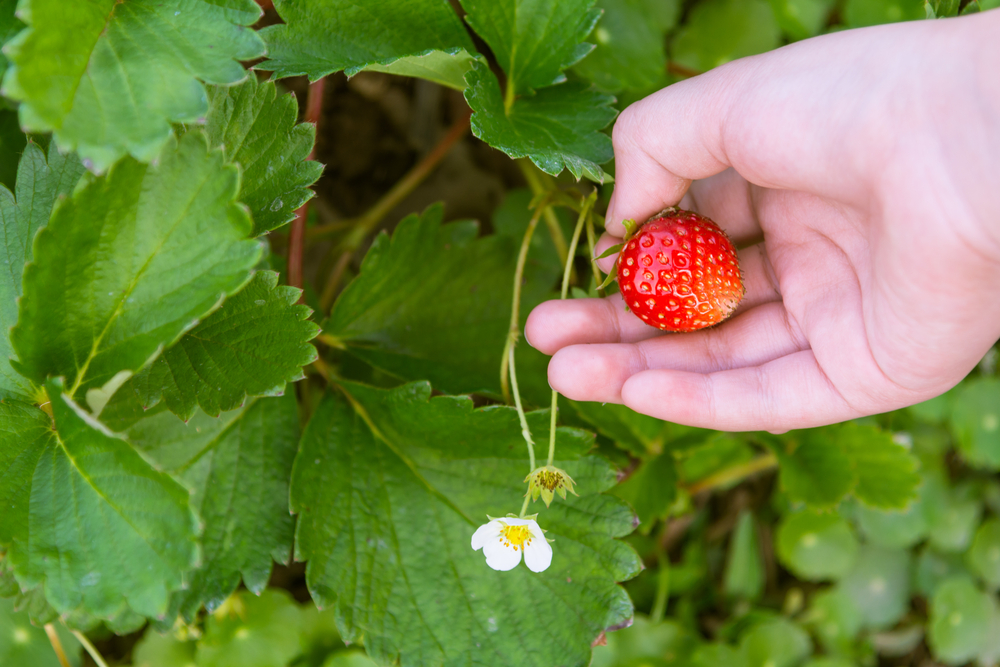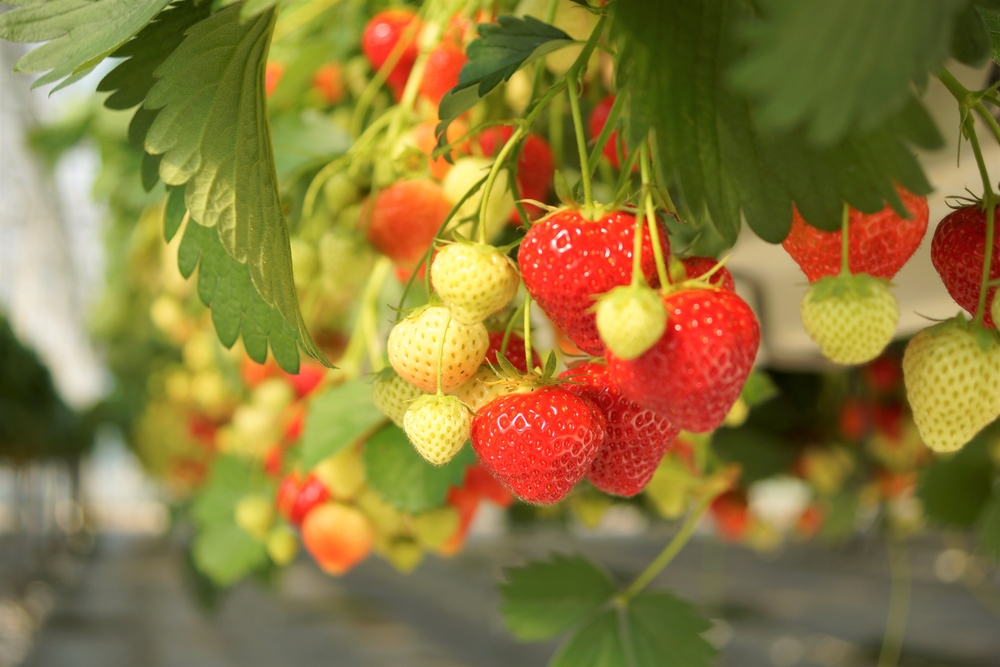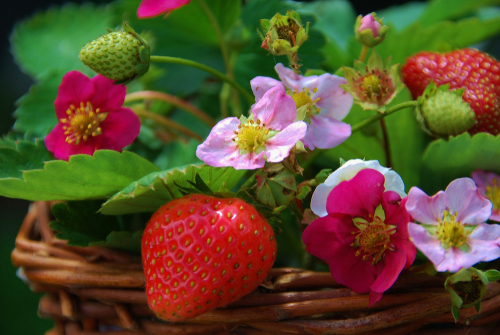
You’d think that with a name like “strawberry,” these sweet red treats would obviously be berries, right? Well, nature likes to keep us on our toes! As it turns out, strawberries aren’t actually berries at all. There’s a whole world of fascinating science behind the strawberry genus, and I’m here to break it all down for you. Here is everything you need to know about what makes a strawberry, well, a strawberry.
Strawberries aren’t actually berries
I’ll admit, botanical classifications can get a little confusing. Despite what the name suggests, strawberries aren’t “true” berries in the scientific sense. They actually belong to the Rosaceae family (yep, they’re related to roses!), and the fruit we harvest is technically called an “aggregate accessory fruit.” Unlike blueberries or cranberries, which keep their seeds tucked away inside, strawberries wear their seeds right on the skin.
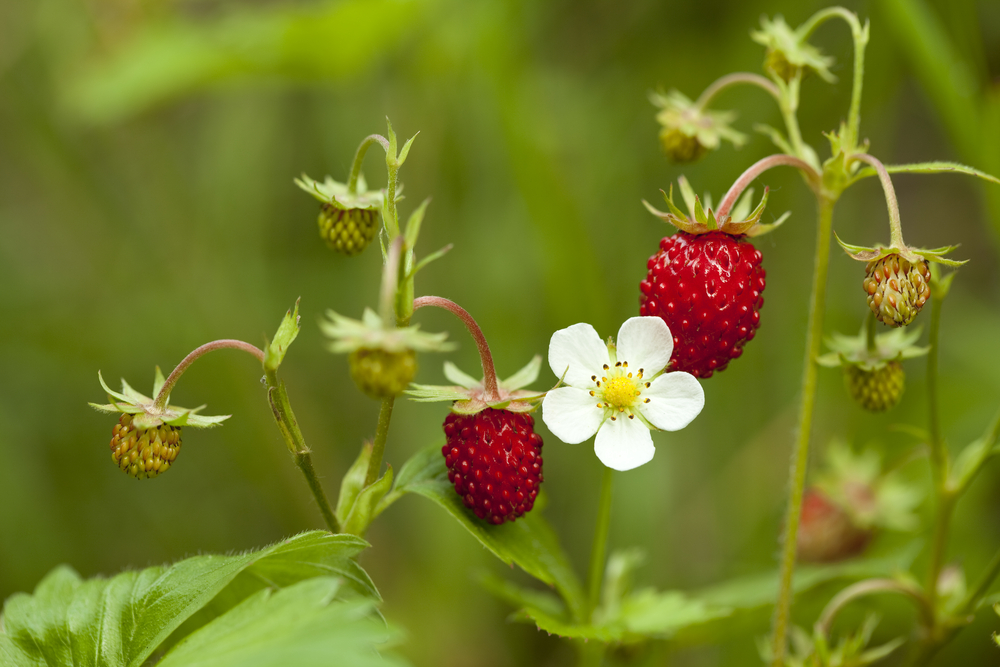
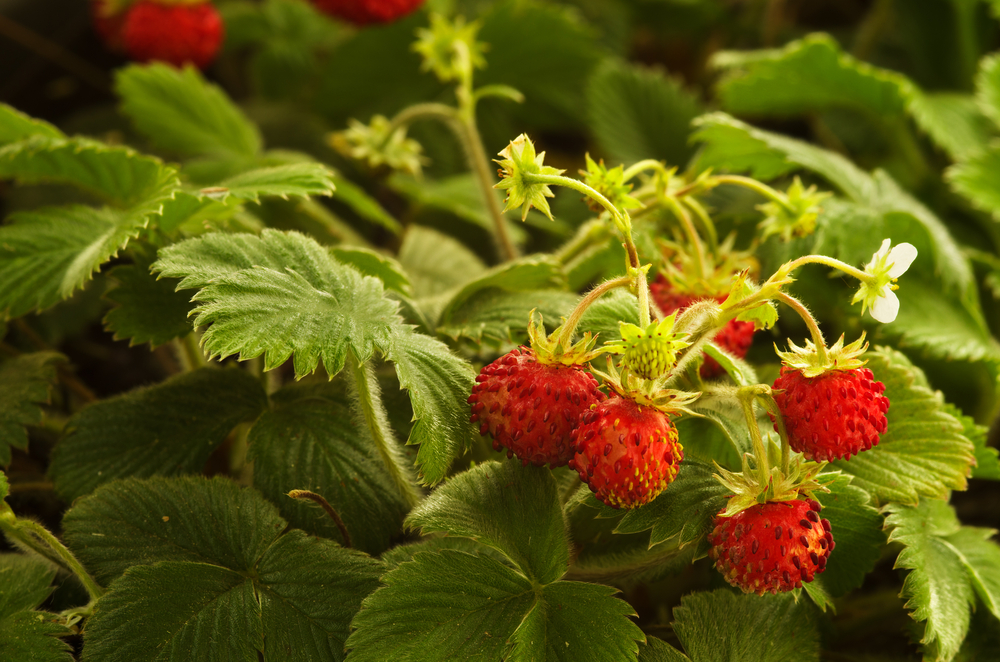
Those tiny, crunchy yellow specks you see on the surface? Those are the actual fruits, known as achenes (basically tiny nuts). The red, juicy part we love to eat is actually just the enlarged base of the flower. If you didn’t know that, don’t worry—most people are pretty shocked to find out they’ve been snacking on “nut-covered flower bottoms” all this time!
Common species within the strawberry genus
There are about 20 different species within the strawberry genus, but most of what we grow in our backyards falls into three main categories:
1. Vescana Strawberries (a popular hybrid of garden and wild strawberries),
2. Garden Strawberries (the classic “Pineapple” strawberry—this is the big, juicy variety we usually see at the store), and
3. Wild Strawberries (often called Alpine strawberries; these are perfect for pots and balcony planters).
If you’re a hobby gardener, there are so many fun hybrids and varieties to experiment with. For example, the Virginia strawberry is a favorite for homemade jams because of its large, fleshy fruit. While Musk and Hautbois strawberries used to be staples in many gardens, they’ve slowly been replaced by newer varieties. That said, heirloom varieties are making a huge comeback lately because gardeners are rediscovering their incredible flavor and quality.
If you’re looking for a treat for the senses, the Musk strawberry is famous for its deep dark color and an aroma that is absolutely intoxicating. Pro tip: if you want to enjoy homegrown berries for as long as possible, try mixing and matching different varieties. By choosing a mix of early and late bloomers, your harvest season can stretch from May all the way into the fall. That’s months of pure strawberry bliss!