By Robert Chen|Published on September 2, 2022|Updated on January 23, 2025
Summer perennials are the ultimate low-maintenance way to keep your yard looking gorgeous all through the warmer months. If you’re looking for big blooms without a ton of extra work, here are some of the most popular varieties and what they can bring to your garden.
[[plants]]
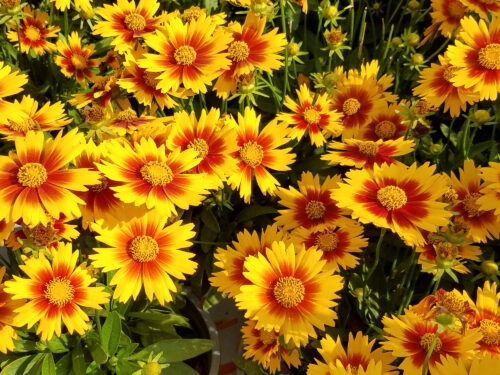
++Tickseed (Coreopsis)
Coreopsis, often called Tickseed, is a real sunshine-maker in the garden. These beauties usually grow between 12 and 30 inches tall and produce a sea of bright, mostly yellow flowers. To get the best results, pick a sunny spot and mix some compost or humus into the soil before planting. This gives them the nutrient boost they need to really thrive.
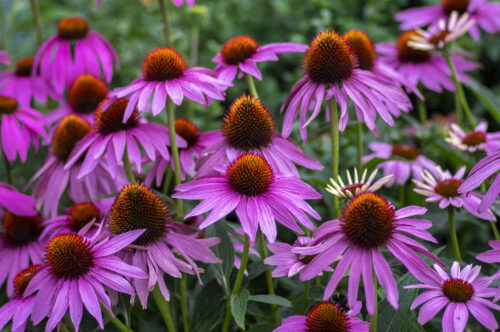
++Purple Coneflower (Echinacea purpurea)
Coneflowers are famous for their large, bold petals and striking centers. While the standard Black-eyed Susan gives you yellow, the Purple Coneflower brings those stunning pinkish-purple and deep red tones to the mix. They are incredibly easy to care for and very popular in home gardens. You can plant them in full sun or partial shade, and the best part? They’re totally winter-hardy, so they’ll be back year after year.
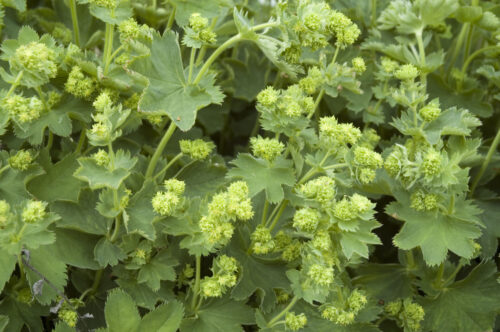
++Lady’s Mantle (Alchemilla)
If you need something tough and reliable, Lady’s Mantle is your go-to. It features subtle, chartreuse (yellow-green) flowers that look great without stealing the spotlight from your showier plants. Because it’s so understated, it’s a fantastic “filler” plant for combinations. Larger varieties can reach about 20 inches tall. It’s not picky about soil at all, giving you plenty of flexibility on where to tuck it in.
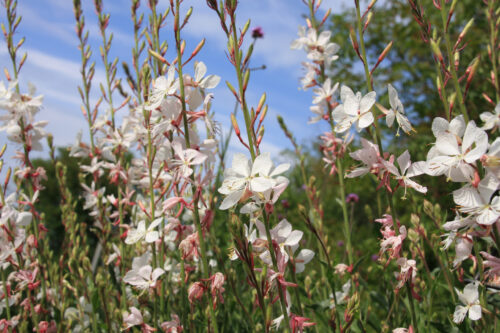
++Bee Blossom (Oenothera lindheimeri)
Also known as Gaura, these plants bloom from early summer right until the first frost. Gardeners love them for that long-lasting color and their delicate, airy flowers that look like tiny butterflies. They have a bushy growth habit that fits perfectly in romantic rose gardens, wildflower meadows, or even prairie-style landscapes. They prefer a sunny, sheltered spot with leaner, well-drained soil.
++Delphinium (Delphinium grandiflorum)
--500x375.jpg" alt="Delphinium" width="500" height="375" class="alignnone size-medium-large wp-image-40636" srcset="https://guterboden.de/wp-content/uploads/2022/09/Rittersporn--500x375.jpg 500w, https://guterboden.de/wp-content/uploads/2022/09/Rittersporn--300x225.jpg 300w, https://guterboden.de/wp-content/uploads/2022/09/Rittersporn--1024x768.jpg 1024w, https://guterboden.de/wp-content/uploads/2022/09/Rittersporn--768x576.jpg 768w, https://guterboden.de/wp-content/uploads/2022/09/Rittersporn--1536x1152.jpg 1536w, https://guterboden.de/wp-content/uploads/2022/09/Rittersporn--350x263.jpg 350w, https://guterboden.de/wp-content/uploads/2022/09/Rittersporn-.jpg 2000w" sizes="(max-width: 500px) 100vw, 500px" />
Delphinium is a true garden classic, found in everything from grand public parks to cozy backyard borders. They are famous for those intense blues and crisp whites. When planting Delphinium, remember the old gardener’s rule: “feet in the shade, head in the sun.” They love sunshine but prefer their roots to stay cool and moist in nutrient-rich soil.
++Catmint (Nepeta faassenii)
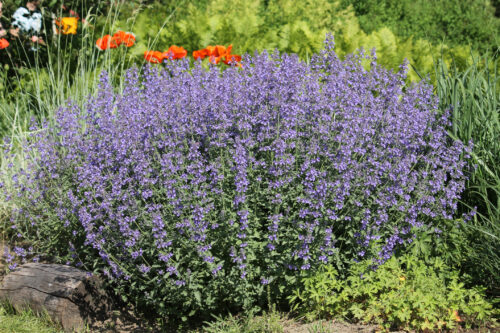
Catmint is a fragrant, fuss-free favorite. It’s incredibly versatile—you can plant it in open beds, containers, or even rock gardens. Give it a sunny spot, and it’ll reward you with beautiful violet-purple blooms. Pro tip: once the first round of flowers starts to fade, shear the plant back close to the ground. This often triggers a second flush of blooms later in the season!
++Garden Phlox (Phlox)
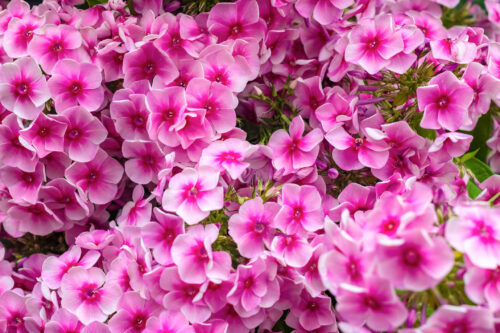
Phlox is a powerhouse that produces massive clusters of flowers. To get that “wow” factor, they need a location with rich soil and plenty of moisture. It’s a good idea to add some fertilizer or compost when planting. They do well in sun or partial shade. Just a heads-up: try to water them early in the morning and aim for the roots rather than the leaves to keep the foliage healthy and prevent scorching.
%%Wood Sage (Salvia nemorosa)
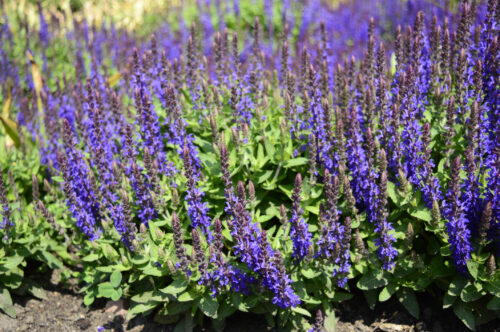
Garden Salvia (or Wood Sage) blooms in a stunning purple that might remind you of lavender. It’s an exceptionally hardy plant and a bit of an “insider secret” for a reliable summer garden. It’s happy in full sun or light shade. If you cut the plant back by about a third once the flowers start to wither, it will usually reward you with a second show of color in late summer.