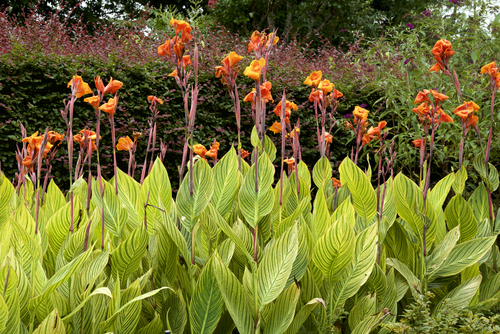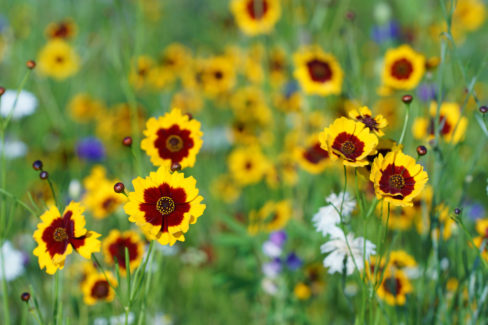
Coreopsis—or “Tickseed,” as many of us call it—is one of those dream plants for any gardener because it’s just so easygoing. If you give it a nice sunny spot, it’ll reward you with a massive explosion of blooms all summer long.
Ways to Grow Your Coreopsis
Because it’s so low-maintenance, Coreopsis is a huge favorite for all kinds of garden styles. Here are a few ways you can use it:
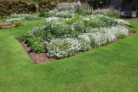
- As a show-stopping highlight in your perennial borders.
- To line garden paths or add charm to a classic cottage garden.
- In wildflower meadows or to help stabilize sandy slopes.
- In pots and window boxes to brighten up your patio or balcony.
Finding the Perfect Spot
For the most part, Coreopsis isn’t picky, but there are a few things that will make it really thrive.
Sun and Warmth
Coreopsis is a total sun worshiper. It loves warm, bright spots, so try to plant it where it can soak up as much light as possible. The amount of sun it gets directly impacts its blooming season. The rule of thumb here is simple: more sun equals more flowers!
The Right Soil
Your Coreopsis will be happiest in soil that is:
- Well-draining and loose.
- Sandy-loamy or consistently lightly moist.
- Rich in organic matter and nutrients.
While these plants are actually pretty drought-tolerant once they’re established, you’ll still want to keep an eye on them during those scorching, dry summer stretches and give them a good drink when needed.
Growing Coreopsis in Containers
If you’re short on garden space, you’re in luck—Coreopsis does great in pots. The key is excellent drainage so the roots don’t get “wet feet.” Start with a layer of gravel, clay shards, or expanded clay pebbles at the bottom of your pot. Then, fill it with a loose potting mix. A standard high-quality potting soil mixed with a bit of sand or perlite works perfectly.
A Note on Winter Hardiness
One thing to keep in mind is that not every variety of Coreopsis is fully winter-hardy. While many types can stay in the ground year-round without a worry, some of the more tender varieties might need a little extra mulch for protection or may even need to be moved indoors for the winter.
If you’re growing them in pots, it’s a good idea to move them to a frost-protected spot even if the variety is hardy. Since there’s less soil in a container to insulate the roots, they’re much more vulnerable to freezing than they would be in the ground.