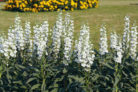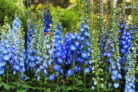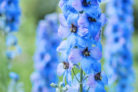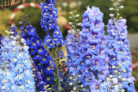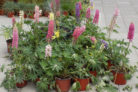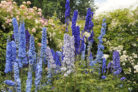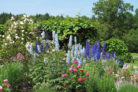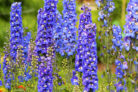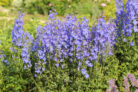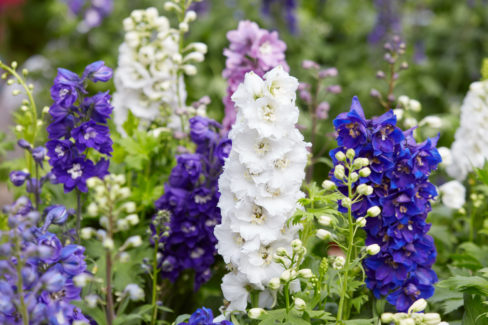
Delphinium (commonly known as Larkspur) is a total classic in the world of cottage gardens. With those stunning, towering spikes of vibrant blue, it’s a real showstopper. The best part? You don’t need a professional landscaper to get them started—you can easily grow them yourself right from seed!
Quick Tips for Success
- Sun is key: Pick a sunny spot; these beauties love soaking up the rays.
- Soil matters: Standard garden soil works, but they really thrive in loamy, nutrient-rich dirt.
- Feed them well: Delphiniums are “heavy feeders,” so be sure to mix in plenty of compost before planting.
- Growing from seed: This is the most common way to get them started.
- Indoor start: You can start seeds inside and move them to the garden in mid-May.
- Direct sowing: If you’re planting straight into the ground, do it between May and September.
- Double the blooms: With the right care, you can actually get these perennials to bloom twice a year!
Sowing Your Delphinium Seeds
There are a few different ways to get your Delphiniums going. One popular method is sowing the seeds by hand directly into your flower beds. For perennial varieties, you’ll want to sow them between May and September. Just keep in mind that you’ll usually have to wait until the following year to see those first gorgeous blooms. If you’re working with annual or biennial varieties, it’s best to start them in pots indoors around February or March, then transplant them outside in May.
You can also let nature do the work! If you have annual or biennial types, just leave the spent flowers alone in the fall until they form seed pods. You can either collect the seeds yourself (give them a little cold treatment, or “stratification”) to plant in the spring, or just let the pods burst open and re-seed the garden naturally.
What to Keep in Mind When Planting
Delphiniums can reach heights of up to six feet, so they need some “elbow room.” They aren’t big fans of crowded spaces or aggressive ground covers, so make sure to give each plant at least three feet of space.
Once your seedlings hit about six inches tall, it’s time to thin them out (prick them) to give them room to breathe. If you sow your seeds in the fall, you can expect blooms the following summer in June and July. If you cut them back after that first flush, you’ll often get a second round of flowers in September or October.
Pro-tip: Delphiniums look incredible when paired with roses, lupines, lady’s mantle, or cranesbill geraniums. Not only do they look great together, but they all share similar tastes in soil and sunshine!