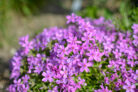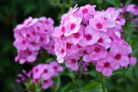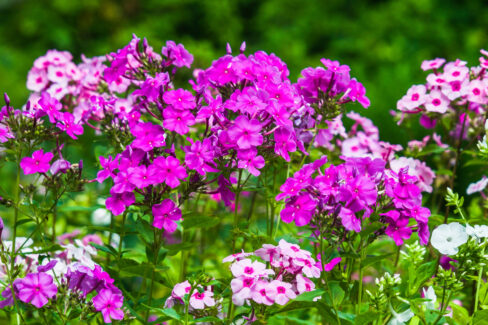
If you want your Phlox to grow strong and put on a spectacular flower show, picking the right spot in your garden is key. But here’s the thing: not all Phlox are created equal! Depending on the variety you have, their “happy place” might look a little different. Let’s dive into how to find the perfect home for your flame flowers.
What’s the ideal location for Phlox?
Generally speaking, Phlox loves a spot that’s protected from harsh winds. When it comes to sunlight, it really depends on whether you’re growing early-bloomers or late-bloomers:
- Early-blooming varieties: These guys actually prefer partial shade. If they get too much direct, midday sun, their leaves can get scorched, which weakens the plant. And remember, a stressed plant is much more likely to deal with diseases.
- Late-blooming varieties: These are the sun-worshippers of the family! They thrive in full sun and won’t bloom nearly as well if they’re stuck in the shadows.
Phlox is also incredibly versatile. While many people plant them as classic upright perennials, creeping varieties look amazing in rock gardens or used as groundcover. Smaller, shade-loving types also work perfectly as underplanting beneath taller shrubs or trees.
What kind of soil does Phlox need?
No matter the variety, all Phlox plants share one big preference: well-draining soil. If your garden soil is a bit heavy, try mixing in some fine gravel to loosen things up.
While some types are low-maintenance when it comes to food, others are heavy feeders that need extra nutrients to power through their blooming season. To give them the best start, I always recommend mixing some compost into the soil before planting and giving them a regular dose of fertilizer throughout the season.
How can you tell if your Phlox is unhappy with its spot?
Your Phlox will definitely let you know if it’s not feeling the love! The first sign is usually the flowers—or lack thereof. If your plant stops blooming or the flowers look sparse, it’s likely in the wrong spot.
Keep an eye on the leaves, too. If you see spots, burnt edges, or signs of illness, check for pests or fungus. If the plant continues to struggle despite your best care, it might be time to transplant it to a location that better suits its needs.