There’s nothing quite like the satisfaction of heading out to your backyard and harvesting your own fresh produce for dinner. And while we usually think of veggies and fruits, some of the best garden treats are actually grasses—specifically, sweet corn!
Harvesting the Seeds
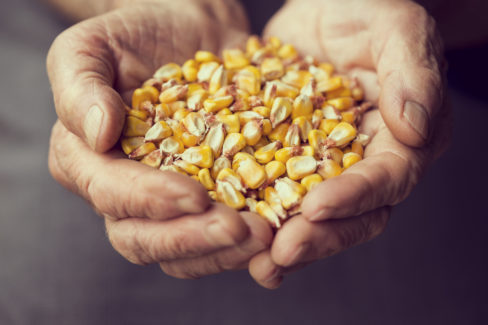
With many garden plants, getting the seeds ready for next year’s planting can be a real headache. Luckily, corn makes it easy. The seeds are large, easy to find, and simple to remove from the cob. However, to get a head start on a successful harvest, there are a few things you should know about these seeds:
- Harvest Time: Depending on the variety, sweet corn is usually ready between late July and early October.
- Growth Pattern: Seeds grow tightly packed together on the cob.
- Germination: They love warmth! Aim for soil temperatures between 60°F and 70°F (15–20°C).
- Light: Corn is a “dark germinator,” meaning the seeds need to be buried.
- Size: Each kernel is typically between 1/4 and 1/2 inch (6–13 mm) long.
Heavy and Colorful
You can really see the difference between corn and other grains when you look at the weight. A thousand kernels of sweet corn can weigh anywhere from 9 to 14 ounces (250–400 grams) depending on the variety. But the coolest part? The colors! While we usually think of yellow, sweet corn varieties can come in a rainbow of shades, including white, orange, blue, green, purple, and even black.
How to Plant the Right Way
Since sweet corn is a total sun-seeker and needs warmth to sprout, you’ll want to wait until the threat of frost has passed in May before sowing directly outside. If you’re growing a variety that matures early, it’s a great idea to start your seeds indoors in pots during the spring.
Regardless of which method you choose, here’s a pro tip: soak your seeds in room-temperature water for eight to ten hours before planting to help them soften up. When you’re ready to hit the garden, plant them in blocks of at least three rows, spaced about 24 inches (60 cm) apart. Within the rows, place seeds every 4 inches (10 cm)—since not every single one will sprout. Once they’re growing strong, thin them out so you have one healthy plant every 8 inches (20 cm).