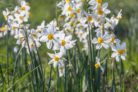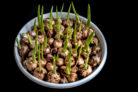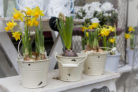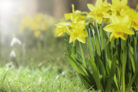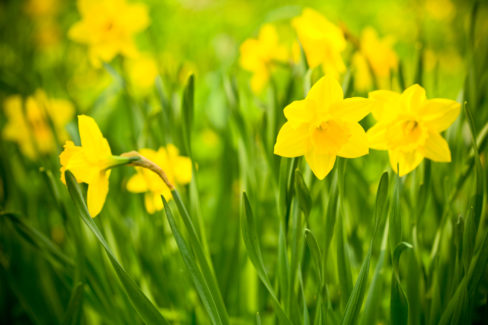
Typical daffodils are known for those round bulbs that pop up every spring, but did you know their seeds are actually pretty fascinating, too? They have some unique traits you might not expect. In this post, we’re diving into everything you need to know about these little “fruits” and how you can use them in your own garden.
Key Features and Characteristics
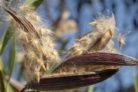
- You’ll find them tucked inside three-chambered seed pods.
- Depending on the variety, a single plant can produce up to 60 seeds.
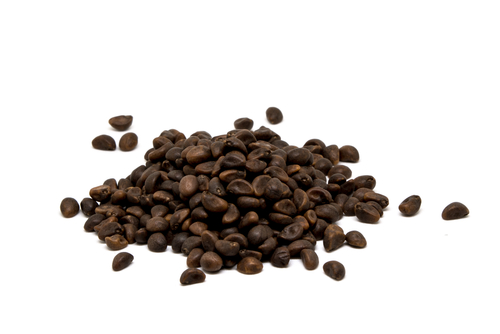
- The pods are green, while the seeds themselves are black.
- They are tiny, oblong, and have a nice little shine to them.
Pro Tip: Keep an eye out for Jonquils and Hoop Petticoat daffodils—their seeds look a bit different! They’re wedge-shaped and have more of a matte finish.
When are the seeds ready?
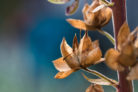
The seeds finish ripening once the daffodil is done blooming, usually around April or May depending on the variety. It takes the plant about 5 to 6 weeks to fully develop its seeds. Once they’re ready, the stem will start to droop, and the seed pods will burst open to release their cargo.
A Major Energy Drain
Producing seeds takes a *lot* of work for a daffodil. If you’d rather have your plant focus its energy on growing a bigger bulb and better flowers for next year, it’s best to snip off the flower head once it turns brown and dry.
Pro Tip: Don’t get too eager with the garden shears! Wait until the leaves have completely turned yellow and dried up before cutting them back. The plant needs that foliage to soak up nutrients for the next season.
Growing Daffodils from Seed
Growing from seed is a fun way to propagate your daffodils. You can harvest your own seeds in the spring or just grab a packet from your local garden center. Here’s how to get started:
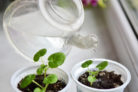
- You can plant them directly in the ground or start them in pots.
- Make sure to cover the seeds with soil—daffodils are “dark germinators,” meaning they need total darkness to sprout.
- If using pots, keep them in a cool spot.
- Keep the soil consistently moist, but be careful not to overwater—you don’t want them sitting in soggy soil.
Pro Tip: Patience is key! Germination times vary by variety, but generally, daffodils are slow growers compared to other flowers. Don’t panic if you don’t see blooms the first year. Homegrown daffodils usually take two or three years before they’re ready to show off their first flowers.