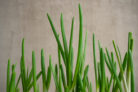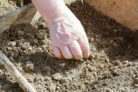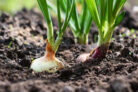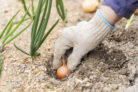
Growing your own plants from scratch is one of the most rewarding parts of being a gardener, and onions are no exception! While many people start with sets, growing onions from seed is a fun challenge. However, there comes a point in every little seedling’s life when things get a bit too crowded. That’s when it’s time for “pricking out”—or what we usually call thinning and transplanting.
Pricking Out: The What, When, and How
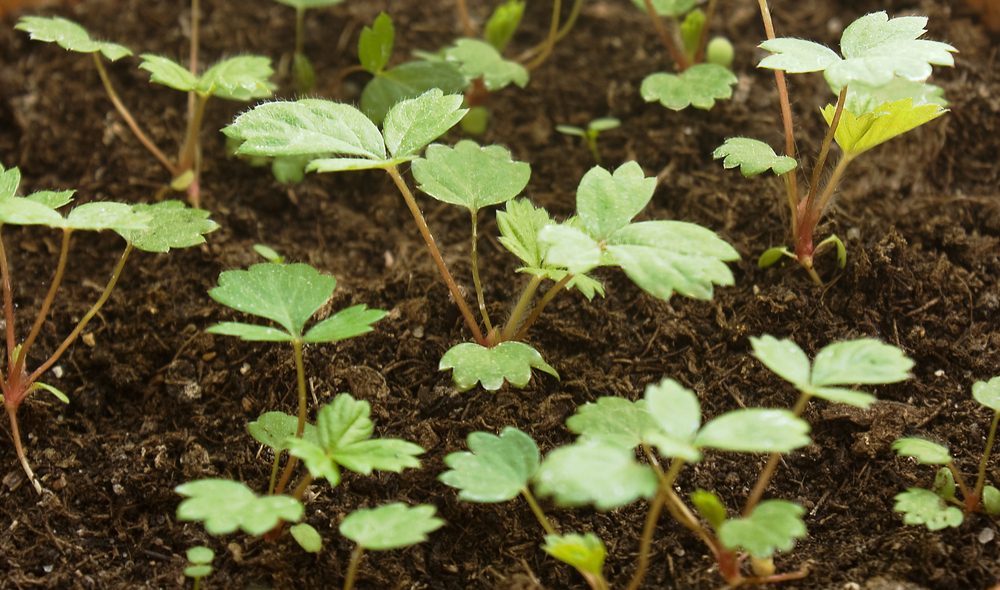
Pricking out is basically just giving your baby plants their own personal space. When you germinate onion seeds in a tray, they usually sprout close together. As they grow, they start competing for nutrients, and if they stay cramped, their growth will stall. By separating them, you ensure each onion has enough “fuel” to grow into a strong, healthy bulb.
To get started, you’ll need some medium-sized pots and a high-quality seed-starting mix rich in humus. You don’t need fancy equipment, either—standard household items work great! A teaspoon is perfect for gently lifting the seedlings out of the soil, and a simple wooden pencil is the best tool for poking new planting holes.
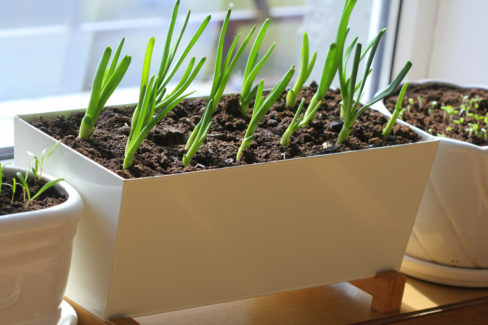
If you sowed your onion seeds in early spring, keep an eye on them. Once they’ve developed their initial seed leaves and those first tiny green tubes, they’re ready for their big move. You can lift small clusters of seedlings at once and gently tease them apart. This is also the perfect time to play favorites—keep the strongest ones and toss any that look a bit sickly.
Your Step-by-Step Guide
- Fill your new pots with seed-starting soil and press it down firmly.
- Use your pencil (or a dibber) to poke a hole in the center of the soil.
- Carefully dig up your seedlings and separate them from one another.
- Hold a single seedling over the new hole.
- Gently guide the developing roots into the soil.
- Cover the roots with a little soil and press down lightly to secure the plant.
- Make sure the seed leaves are still above the soil line—don’t bury them!
- Give your newly moved seedling a good drink of water.
Once your onions are settled into their new homes, they’ll appreciate some extra humidity. You can cover the pots with plastic wrap for a few days or move them into a greenhouse if you have one. Just remember: these little guys need plenty of light to thrive, but you should protect them from harsh wind, freezing temps, and direct, scorching midday sun while they’re still finding their footing.