Onions are a staple in just about every home garden, and for good reason—they’re generally pretty foolproof to grow! However, if you want to start them from seed rather than sets, it can be a little more of a challenge. Don’t worry, though; I’ve got you covered. Here’s how to get those onions started like a pro!
Sowing Your Onion Seeds
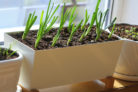
You can sow onion seeds directly into your garden beds starting in March. But if you’re like me and want a head start, you can begin indoors or in a greenhouse as early as February. The trick is keeping the temperature between 60°F and 65°F (16-18°C) to create the perfect environment for germination.
To get the best results, just follow these simple steps:
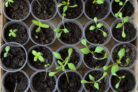
- Fill a suitable pot or seed tray with nutrient-rich potting soil.
- Gently press the soil down to firm it up.
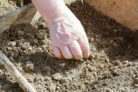
- Poke small holes into the soil (about five to seven per pot).
- Drop one seed into each hole.
- Give them a good initial watering.
- Keep the soil consistently moist.
- Don’t forget to prick out (thin) your seedlings at the right time.
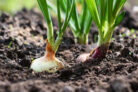
After about six to eight weeks, your onions will reach the “three-leaf stage.” That’s your green light to move them out into the garden!
Caring for Your Young Onions
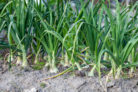
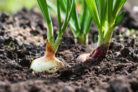
Usually, transplanting happens in late March or early April. If you’re dreaming of a big harvest come fall, a little TLC goes a long way. Onions are actually pretty low-maintenance, but they do love a sunny spot. A bit of a breeze is actually a good thing, especially if it’s humid out. They also prefer loose, humus-rich soil, so make sure to clear out any weeds before planting.
When you’re planting them out, avoid adding fresh fertilizer right then and there. Ideally, you should have worked some compost or fertilizer into the soil a few weeks prior. Once they’re in the ground, keep them well-watered while they’re growing and stay on top of the weeding. To keep pests like onion flies or leek moths at bay, you can drape a fine mesh garden net over your young plants. It’s an easy way to keep your crop safe!