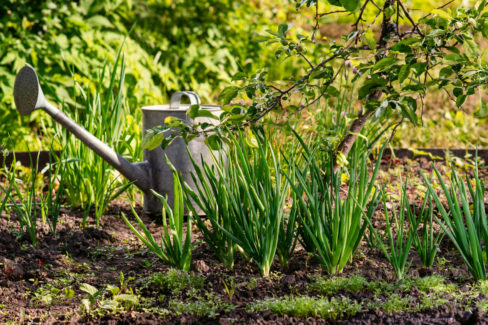
In the garden, onions are pretty low-maintenance roommates. They don’t ask for much, but if you want to harvest those big, flavorful bulbs we all love, getting your watering routine right is key.
Onion Water Needs
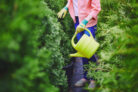
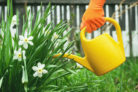
Onions are actually quite hardy and well-adapted to most temperate climates. They’re built to store moisture, which helps them survive through dry spells. However, if Mother Nature isn’t providing rain for a while, it’s time to grab the watering can. The goal is to keep the soil consistently moist without letting it get soggy. Too much water is a recipe for disaster—it usually leads to rotting bulbs rather than a bumper crop.
Before the Harvest
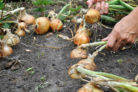
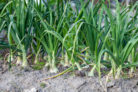
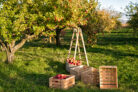
When you harvest depends on when you first got your onions in the ground, but for most of us, that happens in the fall. Here’s a pro tip: stop watering entirely a few weeks before you plan to harvest. Letting the soil dry out during this final stretch helps the onions cure properly, making them last much longer in storage. It also allows the foliage to dry back naturally. Once you see that about two-thirds of the leaves have turned brown and toppled over, you’re good to go!
Step-by-Step Guide
Whether you’re starting with sets or growing your onions from seed, follow these simple steps to keep your hydration game on point:
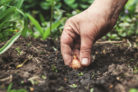
- Give seeds a thorough soaking immediately after sowing.
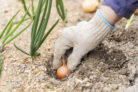
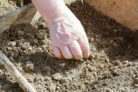
- If you’re planting onion sets, water them in right after they’re tucked into the soil.
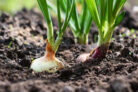
- Keep an eye on the neck of the plant; as it starts to thicken, the onion’s water needs increase.
- Water regularly, but use a light touch—don’t overdo it.
- Pre-harvest: Stop watering a few weeks out (see the tips above!).
What About Fertilizer?
When it comes to fertilizing, onions are pretty easygoing. They can actually do quite well in poorer soils. If you’re planning a spring planting, try mixing some compost into the bed the previous fall. If you prefer using a store-bought fertilizer, just make sure it’s low in nitrogen. Too much nitrogen can actually stunt bulb growth and ruin their shelf life after harvest.