title: Thornless Blackberries
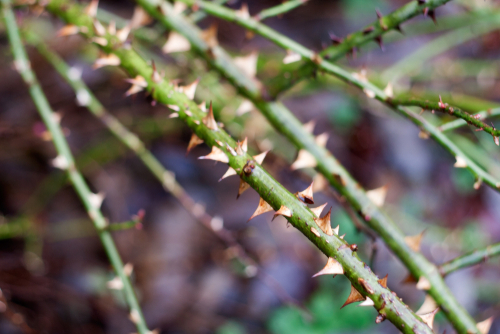
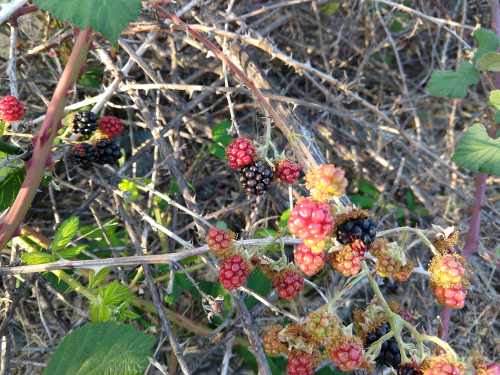
In the wild, blackberries are naturally armed with tons of tiny, sharp thorns. It’s their way of saying “stay back!”—a built-in defense mechanism to keep the plant safe. Because of this, you always have to be careful when handling wild varieties. Luckily for us gardeners, thornless cultivars make life a whole lot easier (and much less painful!).
Thorns: Nature’s Bodyguards
Blackberry canes are covered in sharp prickles for a reason: survival. These thorns have proven themselves over centuries as a great way to ward off hungry animals and curious humans alike. The only ones who don’t seem to mind are the birds. Since birds are a primary food source for blackberries, they can land and snack without a problem, helping to spread the seeds and keep the species going in the wild.
Handle with Care
Those sharp thorns aren’t just a nuisance; they can cause nasty scratches and deep cuts. That’s why you need to take extra precautions whenever you’re planting, pruning, or harvesting traditional blackberries. Always make sure to wear heavy-duty gardening gloves and long sleeves to protect your skin.
The Rise of Thornless Varieties
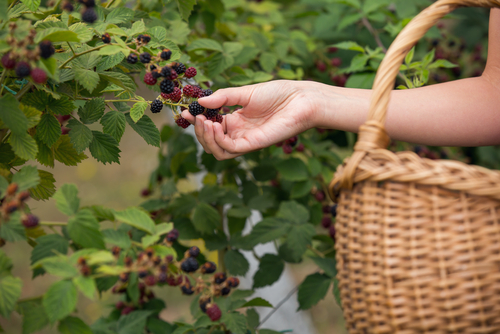
If you want the fruit without the fight, you’re in luck. There are now many cultivated varieties that are completely or mostly thornless. These types make garden maintenance a breeze and, most importantly, allow you to pick berries without needing a first-aid kit nearby.
While these varieties often produce a bigger harvest, the very first thornless attempts had a few drawbacks—they sometimes lacked that intense “wild” blackberry flavor and weren’t always the toughest when it came to freezing winters.
The Early Pioneers
Some of the first thornless blackberry varieties to hit the scene included:
- Black Pearl
- Black Diamond
- Thornfree
- Thornless Evergreen
Modern Thornless Superstars
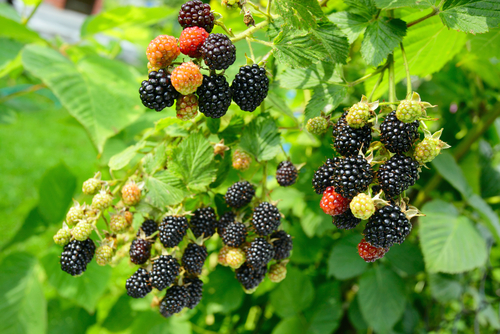
The good news? Breeding has come a long way! Modern thornless varieties give you the best of both worlds: no thorns, huge yields, and big, juicy berries that still pack that classic aromatic punch. Plus, these newer types are much more winter-hardy, meaning they can hold their own against the original thorny versions.
Some of the most popular thornless (or nearly thornless) varieties you’ll find today are:
- Tayberry (a cross between a blackberry and a raspberry)
- Little Black Prince
- Navaho Bigandearly
- Navaho Summerlong
Thorny Blackberries as a Natural Barrier
Even though thornless is great for snacking, those prickly original varieties still have a job to do! A hedge of thorny blackberries along your property line works as a fantastic natural fence. It’s particularly effective at keeping out stray cats or other small critters that you’d rather not have wandering through your yard.