Taking care of blackberries involves more than just watering and fertilizing in a sunny spot—regular pruning is the real secret to success. Not only does it keep your garden looking tidy, but it also encourages the plant to branch out and produce more fruit.
The Different Types of Pruning
When it comes to blackberries, there isn’t just one way to snip. Depending on the age and goal for your plant, you’ll use one of these four methods:
- The initial planting cut,
- Maintenance pruning (thinning out),
- Summer pruning,
- and Columnar pruning.
The Planting Cut
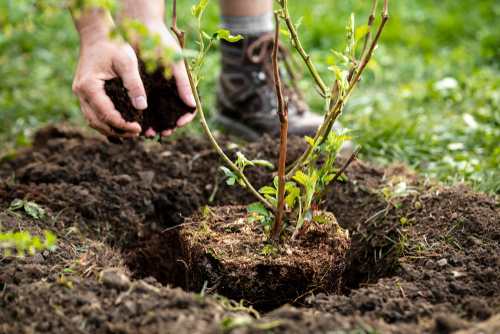
You’ll want to do this right after planting your blackberries in the spring. This cut is all about training the canes and directing them onto your trellis.
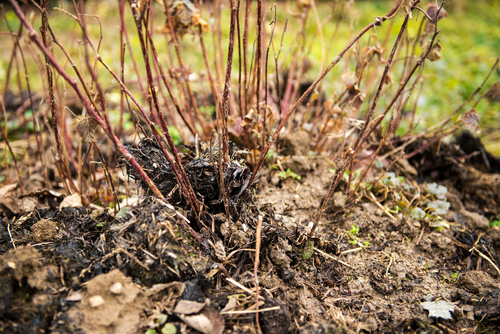
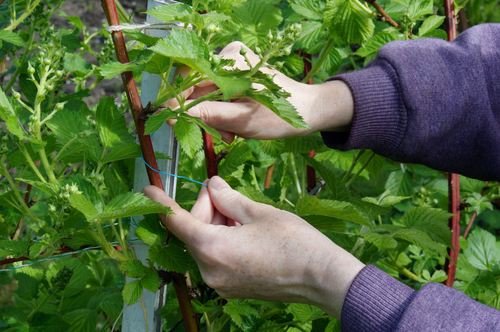
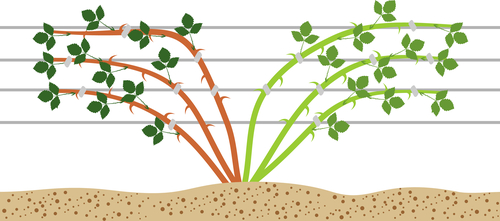
Position your blackberry plant centered in front of your trellis or support. Then, cut all the canes back to about 15 inches (40 cm) above the ground. As the plant grows, pick the longest, strongest canes to tie to the trellis. Any weak or short shoots should be cut off right at the soil line. This helps the plant focus its energy on those strong “leader” canes instead of wasting it on the scrawny ones.
Maintenance Pruning
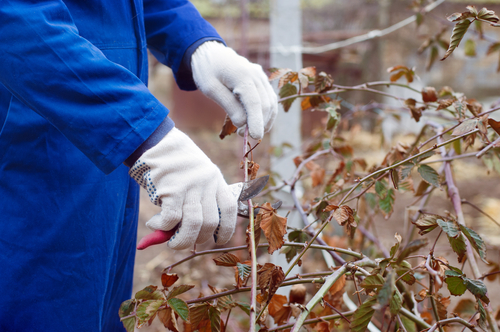
Regular maintenance pruning involves clearing out old, weak canes to make room for fresh growth. The best time for this is early in the year, around February or March.
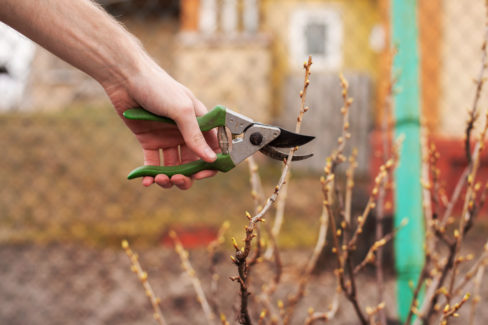
Cut any canes that have already fruited (they usually look woodier and darker) right down to the ground. You should also trim the side branches back to about two or three buds.
Summer Pruning
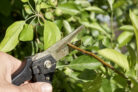
In July, it’s time for a quick thinning session. This is when you remove “suckers” or extra side shoots that are crowding the plant. These shoots are usually covered in so many leaves that they shade out the berries and other canes. Removing them lets the sunlight in, which helps with flower production and a much better harvest.
Columnar Pruning
Columnar pruning is used to keep upright blackberry varieties in shape. Many modern cultivars, especially thornless blackberries, have a more compact growth habit. You can keep them looking neat by pruning them in early spring, ideally February or March.
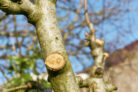
Focus on the two strongest canes coming from the ground and remove all the others. Trim the side branches back to three buds. When you cut, try to snip just above a bud and be careful not to remove too many young buds. This encourages the plant to grow thick and bushy.
Don’t Prune Right After Harvest
Try to avoid pruning your blackberries immediately after the harvest season in the fall. Cutting them too late in the year can leave the fresh cuts vulnerable to frost damage. However, if you live in a mild climate where winter temperatures rarely drop below 15°F (-10°C), a light fall pruning is usually fine.
Put Those Clippings to Use!
Don’t just toss those old canes in the trash! Wild bees love using the hollow stems to lay their larvae. You can bundle the long canes together and leave them in a brush pile. They’re also great for building a “Benjes hedge” (a dead-wood hedge) or weaving into rustic picket fences.
Common Pruning Mistakes
Blackberries are actually very forgiving and grow back quickly, so it’s almost impossible to “ruin” them. Even a radical cut-back won’t kill a healthy plant. Most mistakes people make are actually about not cutting *enough*. Here are the big two:
- The “Overgrown Jungle”: If a blackberry bush is never pruned, it turns into a tangled mess of wildly long canes. A radical “reset” cut can fix this. After that, just give it a light trim once a year to keep it under control.
- Skipping the Summer Thinning: Those leafy side shoots (suckers) usually don’t produce fruit. If you leave them, they create so much shade that your berries won’t ripen properly. Make sure to thin them out once a summer.
Keep Your Tools Clean
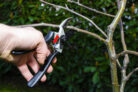
Always make sure your garden shears are clean. Dirty blades can spread bacteria and lead to diseases or pest infestations. I always recommend disinfecting your tools, especially after cutting away any diseased wood, to prevent spreading fungi or pests to your healthy plants.
Propagate While You Prune
Spring pruning is the perfect time to propagate your blackberries. You can take the healthy canes you’ve cut and turn them into cuttings. In just a few weeks, these cuttings will grow their own roots, and you’ll have brand-new baby blackberry plants for free!