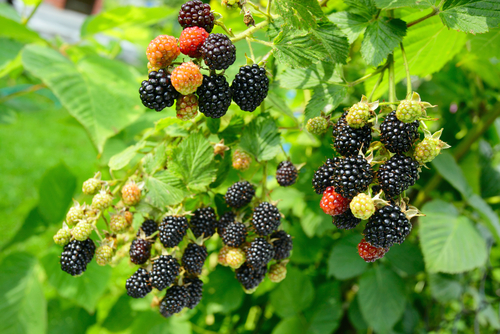
Blackberries are easily one of the best treats you can grow in your own backyard. Not only are they absolutely delicious, but they’re also packed with health benefits. If you’re on the fence about planting them, go for it! These plants are super low-maintenance and will reward you with a massive harvest of tasty berries.
Growing Blackberries in Your Garden
If you’re planning to add blackberries to your garden, I highly recommend sticking with cultivated varieties rather than wild ones. Cultivated berries give you the same heavy yields as wild bushes but are much easier to keep under control. Wild blackberries spread like crazy via underground runners and can take over your entire yard before you know it. Trust me, trying to dig them out once they’ve moved in takes a ton of patience and hard work!
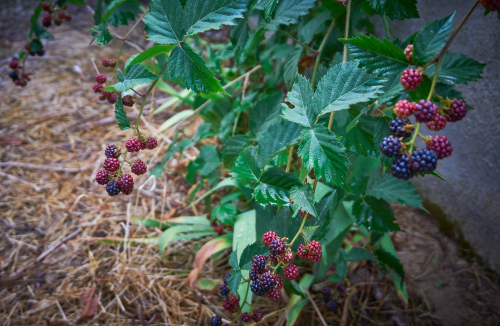
Over time, blackberries develop a strong, sprawling root system that constantly sends up new shoots. These shoots turn into long, green canes that reach for the sun and can grow up to 13 feet long. Another huge plus? Most garden varieties are thornless. This makes harvesting a breeze—no scratched-up hands or heavy gardening gloves required!
Caring for Your Blackberry Plants
One thing you definitely need is a support system, like a trellis. This is especially important for trailing varieties that like to spread out. If you have an upright variety, a simple wooden stake is usually enough to keep it steady. It’s best to set up your trellis or support right when you plant them so they have something to climb from day one.
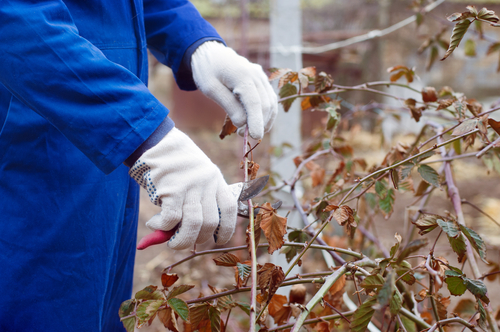
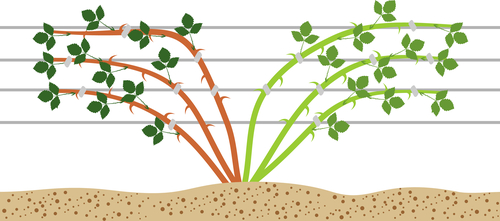
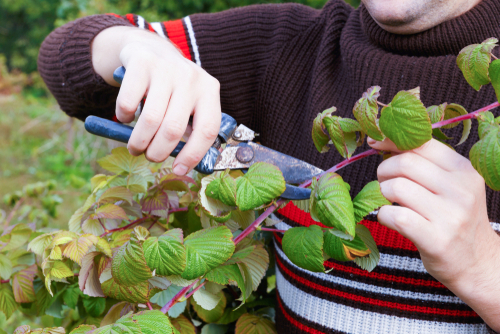
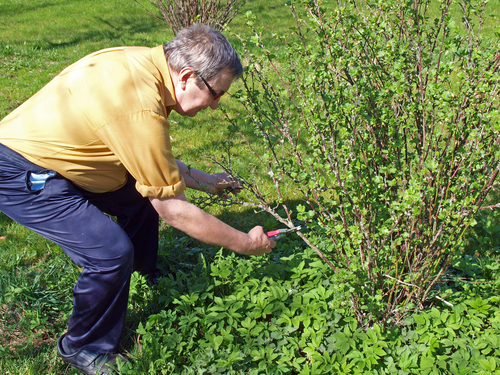
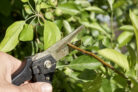
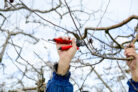
Regular pruning is a big part of blackberry care. Blackberries grow their fruit on two-year-old canes (second-year wood). Once you’ve finished harvesting for the season, you can cut those spent canes right down to the ground. A pro tip: tie your one-year-old canes to one side of your trellis and the two-year-old canes to the other. This makes it super easy to see which ones need to be pruned and which ones should stay.
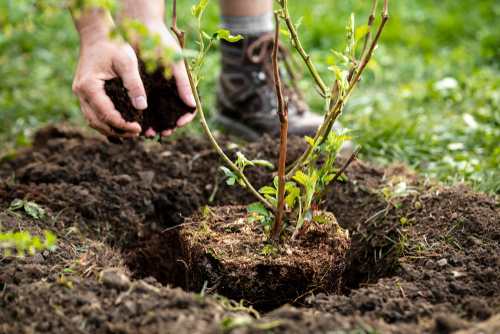
Don’t forget to feed your plants! When you first plant them, mix in a good amount of compost. During the growing season, you can use a specialized berry fertilizer. If you prefer to keep things organic and natural, these work great too:
- Animal manure
- Bark mulch
- Grass clippings
A Few More Tips for Success
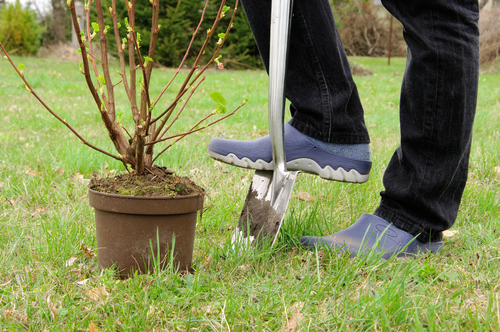
Besides pruning, keep an eye on your bushes and pick off any overripe or moldy berries. This helps prevent rot from spreading to the healthy fruit. If you want more plants, blackberries are incredibly easy to propagate yourself using cuttings or root runners. And don’t worry if you’re short on space—you can even grow blackberries in large pots on your balcony!