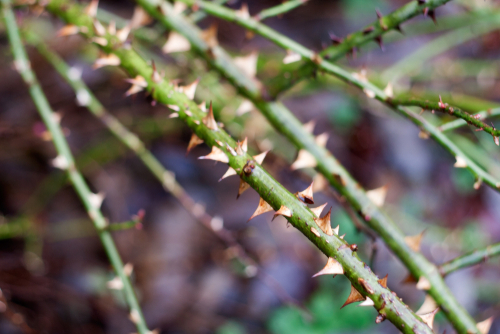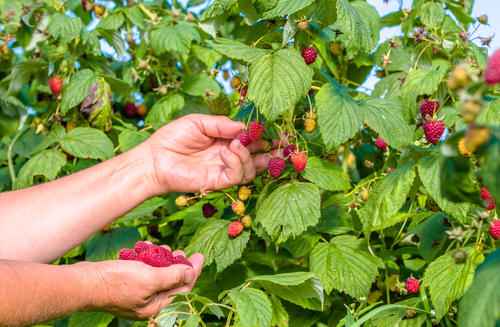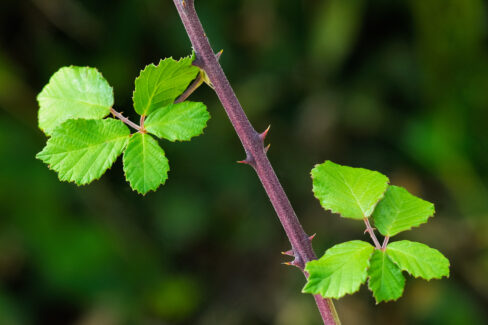
Typically, raspberry canes are covered in thorns that grow right out of the leaf axils. Depending on the variety, these can be pretty pesky when you’re trying to harvest your berries—and they can definitely be a bit risky for little kids running around the garden. That’s exactly why breeders have developed thornless raspberry varieties. Let’s dive into the details!
Planting Thornless Raspberries
It’s a common story: you go out to pick a bowl of sweet berries and come back with scratched-up hands and arms. Those thorns are the plant’s natural defense against hungry animals, but for us humans, they’re just a nuisance. Some people even find that those little scratches can cause an itchy, allergic-like skin reaction.
If you want to skip the bandages this season, thornless raspberry plants are the way to go. They’ve been on the market for a few years now and are becoming a favorite for home gardeners.
Thornless Summer-Bearing Raspberries
- “Framita” produces classic dark red raspberries
- “Glen Coe” features unique purple fruit
- “Glen Ample” is known for its bright red berries
- “Borgund” yields light red raspberries
- “Balder” develops deep, dark red fruit
Thornless Fall-Bearing Raspberries
- “Tulameen” is almost entirely thorn-free and produces red berries
- “Autumn Amber” features beautiful apricot-colored fruit
- “Alpengold” grows lovely yellow raspberries
The “Sugana” Variety: Double the Harvest
I highly recommend the “Sugana” variety. It’s a “double-cropper,” meaning it harvests twice a year! It has a very upright growth habit, making it perfect for container gardening. Since it’s almost completely thornless, it’s the ideal choice for a balcony or patio setup.
New vs. Old Raspberry Varieties
The perk of these newer varieties isn’t just the lack of thorns; breeders have often managed to make the seeds smaller, too. On the flip side, some heirloom or “old-school” varieties tend to have a slightly more intense aroma and flavor, which is why some gardeners are willing to put up with the prickles. However, if you have kids or want to try growing raspberries on a balcony, thornless varieties are definitely the way to go for a stress-free harvest.