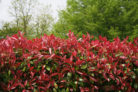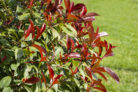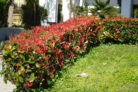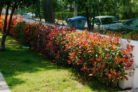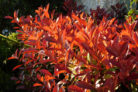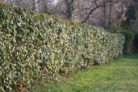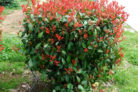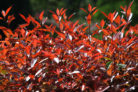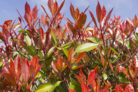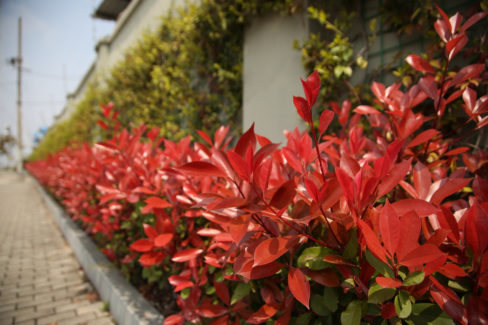
With about 60 different species hailing from everywhere from North America to East Asia, Photinia (commonly known as Red Tip Photinia) is a pretty diverse group of shrubs. Because they come from such different climates, their needs can vary, but here’s the good news: many of them do absolutely great in containers!
Choosing the Right Pot
Photinias develop pretty vigorous root systems, so you’ll want to give them plenty of room to stretch out. For a young plant, start with a pot that is at least 12 inches wide and 12 inches deep. Whether you go with a round or square planter is totally up to your personal style.
The perfect size really depends on the root ball of the specific plant you’ve picked out. If you want the pot to last more than one season, choose a container that is about 1.5 to 2 times larger than the nursery pot it came in. Also, if you’re growing a Photinia tree (standard), make sure the pot is heavy enough so it won’t tip over when a summer breeze catches it.
Planting Your Photinia
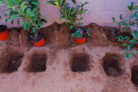
Before you get planting, give your Photinia a good soak in a bucket of water for a few minutes. While it’s soaking, add a drainage layer (like gravel or clay pebbles) to the bottom of your pot. Use a high-quality potting mix or garden soil enriched with mature compost. Set the plant in the pot at the same depth it was sitting in its original container, fill in the gaps, and give it a thorough watering to settle the soil.
Watering and Fertilizing in Containers
For the first few days after planting, your Photinia will need a bit more water than usual, but hold off on the fertilizer. Fresh potting soil usually has enough nutrients to keep the plant happy for several weeks or even months. Just be careful not to overwater—standing water is a one-way ticket to root rot, which these plants don’t handle well.
Quick Summary:
- Container growing is totally doable
- Choose a large, heavy pot for stability
- Minimum size: 12×12 inches
- Soak the root ball before planting
- Always include a drainage layer
- Use high-quality potting soil or compost-enriched soil
- Water and fertilize regularly
- Overwinter in a frost-free spot if possible
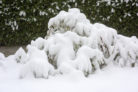
Pro Tip: Even though Photinia is generally considered hardy, container plants are more vulnerable to the cold. It’s always a good idea to move your potted Photinia to a frost-free area during the winter.