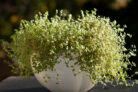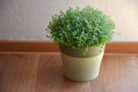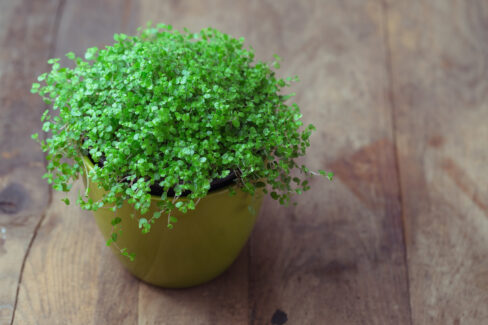
Baby’s Tears (bot. *Soleirolia soleirolii*) is a total classic in the world of houseplants, and for good reason! It’s famous for being low-maintenance, but don’t let that fool you into thinking you can just set it and forget it. While it’s not a “diva” plant, it does have a few specific needs you’ll want to meet to keep that lush, green carpet looking its best.
How much water does Baby’s Tears actually need?
Even though it’s a tiny plant, Baby’s Tears has a massive amount of surface area thanks to those thousands of teeny-tiny leaves. This means it loses moisture through evaporation pretty quickly! Because of this, its thirst is surprisingly high for its size. The trick is finding the “Goldilocks zone”—it hates sitting in soggy soil (root rot is real!), but it absolutely despises drying out. Your best bet is to give it a drink as soon as the top of the soil feels slightly dry to the touch.
Is it forgiving if I forget to water it?
To be honest, Baby’s Tears can be a bit of a drama queen when it comes to watering mistakes. If you overwater and let it sit in a puddle, the roots will rot. But the real danger is letting it dry out completely—once this plant goes bone-dry, it’s very hard to bring back from the brink. Temperature matters, too! Keep it cozy indoors, as it’s definitely not cold-hardy and won’t survive temperatures below 40°F (5°C).
Do I need to water it during the winter?
Since Baby’s Tears is an evergreen houseplant, it doesn’t really take a “winter nap” like some other plants. Its water needs stay pretty consistent year-round because those little leaves are always working.
That said, the exact amount of water depends on your home’s temperature. If you keep your house cooler in the winter, the soil won’t dry out as fast, so you can scale back a bit. Always do the finger test on the soil before grabbing the watering can. And hey, if your plant starts looking a little shaggy or grows too large for its pot, don’t be afraid to give it a quick trim!
The Quick Essentials:
- It’s a thirsty plant—never let the soil dry out completely.
- Keep a regular watering schedule all year long, including winter.
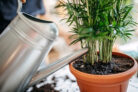
- Pro tip: Water the soil directly rather than pouring it over the delicate leaves.
- Water as soon as the soil surface feels slightly dry.
- Avoid “wet feet”—drain any excess water from the saucer after a few minutes.
Quick Tip: If you’re unsure, it’s actually safer to lean toward slightly too damp rather than too dry. This plant handles a little extra moisture much better than a drought!