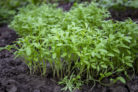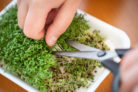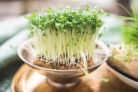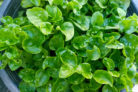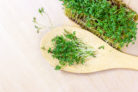
Growing your own watercress is surprisingly easy, especially if you start from seed. These little seeds have a fantastic germination rate, so you’re almost guaranteed a successful harvest. Plus, if you already have some plants growing, you can easily collect your own seeds for next season!
How to Get Your Hands on Watercress Seeds
To get started with sowing watercress, you’ll need some quality seeds. You’ve got two main options here:
- Grab a packet at your local garden center or nursery.
- Harvest seeds yourself from existing watercress plants once they’ve finished flowering.
How Seeds Develop
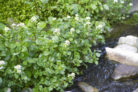
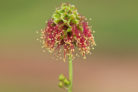
Watercress typically blooms from May through July. After those pretty white flowers fade, the plant produces tiny pods that look a bit like miniature green beans. This is where the magic happens—the seeds grow right inside those pods. If you’re planning on saving seeds, make sure you don’t prune the plants right before they bloom, or you’ll miss out on the flower and seed production entirely!
Spotting Ripe Seeds
Knowing when to harvest is all about checking the pods. Once the outer shells look dry and brittle, the seeds inside are ready to go. If the pods are still green or moist, the seeds aren’t mature yet. Immature seeds usually won’t sprout, so patience is key here!
Once you’ve gathered your ripe seeds, spread them out on a cloth or in a shallow bowl to dry for a few days. Store them in a cool, dark, and dry spot. They’ll stay viable and ready for planting all the way until next spring.
Time to Plant
When you’re ready to grow, you can sow your seeds in a pot or directly in your garden. If you’re planting outdoors, keep an eye out for hungry birds—they think watercress seeds are a delicious snack! Using some bird netting or a light cover can save your future harvest.
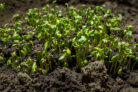
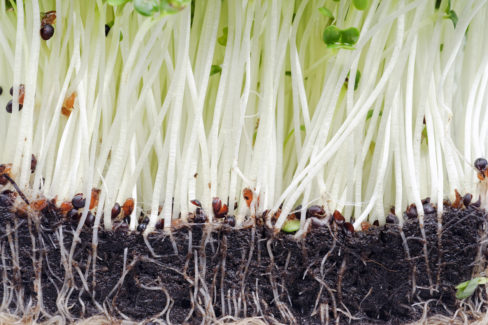
One important tip: watercress seeds are “light germinators.” This means they need sunlight to wake up and start growing. Don’t bury them deep in the dirt! Just press them onto the soil or cover them with a very fine dusting of earth. If you’re starting them indoors, you can even leave them uncovered on top of the soil. Keep the soil consistently moist, and you should see those first green sprouts popping up in just two to three weeks.