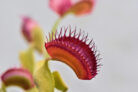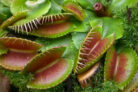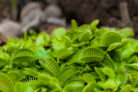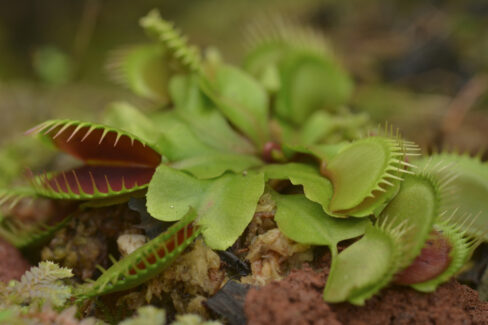
Growing your own Venus flytraps from scratch is actually a lot easier than you might think! As long as your plants’ flowers get pollinated, you’ll have plenty of seeds to start a whole new generation of little bug-eaters next year.
First things first: Pollination
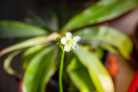
Before you can get any seeds, those flowers need to be fertilized. If your plants are hanging out outdoors, local insects will usually do the heavy lifting for you. But if you want to be 100% sure, you can play “busy bee” yourself. Just take a fine paintbrush and gently swirl it around the inside of the flowers. It’s a good idea to repeat this a few times over a couple of days to make sure you didn’t miss a spot.
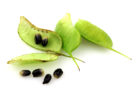
Once the flower fades, a seed pod will start to form. It takes a little patience, but you’ll know the seeds are ready for harvest when the pods look completely dry and crispy.
How to harvest Venus flytrap seeds
When it comes to gathering your seeds, you’ve got three easy ways to do it:
- The plate method
- The “snip and flip” method
- The plastic baggie trick
The simplest way is to just hold a plate under the flowers and give the pods a gentle shake—the seeds will fall right out. Alternatively, you can cut the entire flower stalk off and carefully pick the seeds out by hand. If you’re worried about losing them, you can tie a small plastic bag over the flower head, shake it, and then slide the bag off along with all the seeds.
Storing and planting your seeds
Venus flytraps are “cold germinators,” which means they need a little winter nap before they’re ready to grow. Store your seeds in a cool, dark place—the veggie drawer of your fridge is perfect. Just pop them in a light-proof bag until spring rolls around.
When March hits, it’s go-time! Grab some seed-starting pots and fill them with a well-mixed substrate (a 2:1 ratio of peat moss to sand works wonders). Get the soil nice and moist, then sprinkle your seeds thinly across the surface. Give them a light press into the soil, but don’t bury them—they need light to germinate! Cover the pots with some plastic wrap to keep the humidity up and place them in a sunny, draft-free spot. Before you know it, you’ll see those tiny traps starting to sprout!