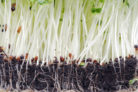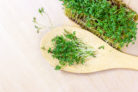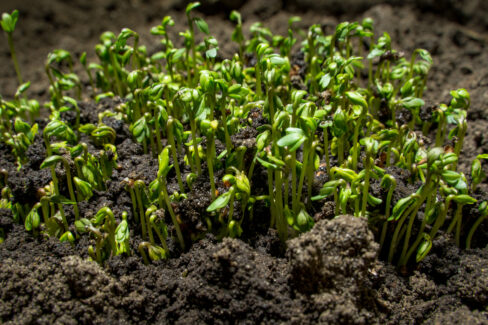
In the plant world, seeds are the ultimate guarantee that a species keeps on thriving. That’s why cress is such a powerhouse—it produces seeds in abundance! If you’ve ever held those tiny little grains in your hand, you know the magic: just a few days later, you’re enjoying crunchy, healthy, and super flavorful sprouts. Honestly, it’s one of the easiest plants to grow and propagate yourself.
Seeds are everywhere (and super cheap!)
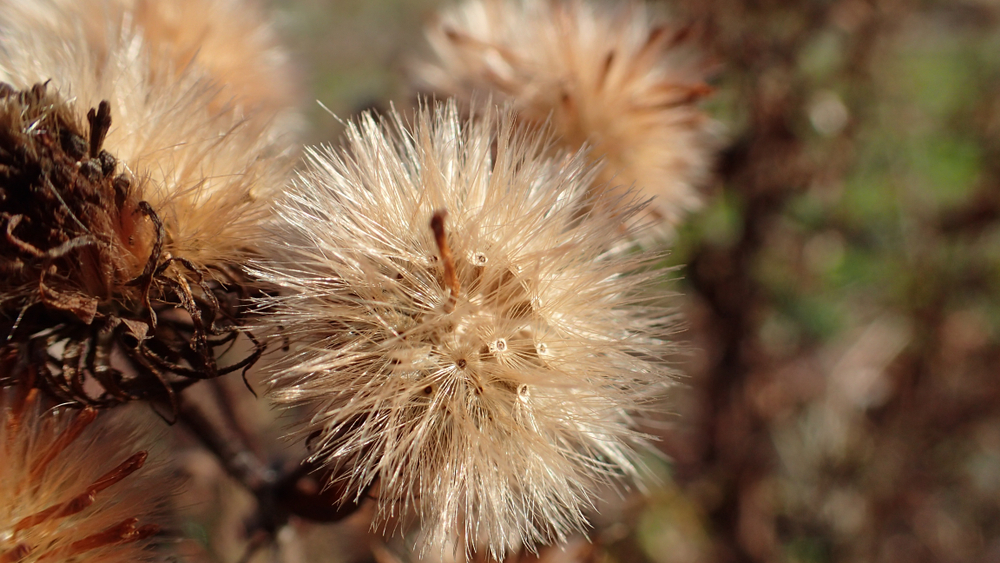
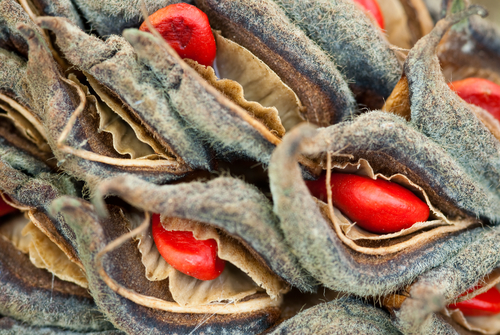
You can find packets of cress seeds just about anywhere—garden centers, hardware stores, and even your local grocery store. If you’re a cress fanatic and want to grow it year-round, I’d recommend looking online for bulk packs or checking out a local health food store. While most of us harvest indoor cress before it ever hits the flowering stage (partly because of low light and lack of pollinators indoors), you can easily collect your own seeds from the garden.
- Outdoor cress usually blooms around August.
- Let a few plants go to flower instead of harvesting them.
- Don’t trim off the wilted flowers!
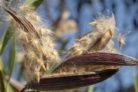
- Harvest the ripe seed pods in the fall.
Once the pods are dry, pop the seeds out and store them in a simple paper envelope. Keep them in a dark, dry spot until you’re ready to plant. They’ll stay viable for about four years, so don’t forget to jot down the harvest year on the bag!
Growing cress indoors
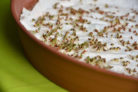
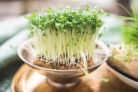
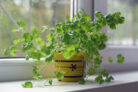
The best part about cress? You can sow it on your windowsill all year long. Just grab a shallow dish and line it with a few layers of paper towels or cotton balls. I usually skip the potting soil indoors because it can carry mold spores (unless you want to go through the hassle of sterilizing it in the oven first). Place your dish in a warm, bright spot and keep the “bedding” consistently moist, but not soaking wet. Pro tip: tilt the dish slightly to prevent water from pooling at the bottom. In just a few days, your sprouts will be ready to harvest and eat!
Growing cress in your garden
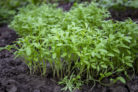
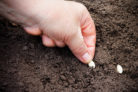
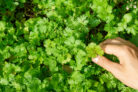
In the garden, cress loves a sunny or partially shaded spot (it’ll grow in full shade too, just a bit slower). Since it’s sensitive to frost, wait until mid-May to plant outdoors, though you can start as early as March if you live in a warmer climate. Keep the soil loose and moderately moist—make sure to water it regularly. You don’t need to worry about soil nutrients or fertilizer; cress isn’t picky!
Quick Tip:
While seeds are the go-to method for most cress varieties, if you’re growing the popular Nasturtium (Indian Cress), you can actually get a little adventurous and try propagating them via cuttings or layering!