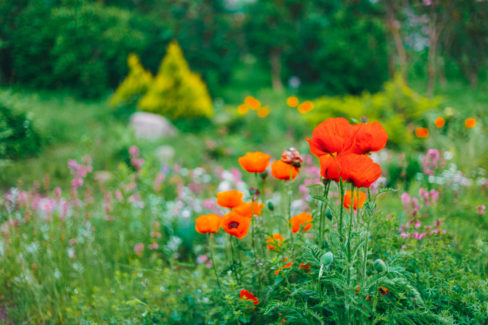
Corn poppies love soaking up the sun, which might lead you to think they’re thirsty little plants. But does a sunny spot always mean a high water bill? In this post, I’m sharing some easy tips and tricks to get your poppy watering routine just right.
Low Maintenance is the Name of the Game
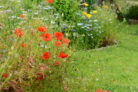
In the wild, you’ll usually spot corn poppies hanging out in open meadows and fields. They actually prefer their soil on the drier side. Since they’re true wild plants at heart, they aren’t used to being pampered or fussed over. Because of that, they don’t need a strict watering schedule to thrive. These flowers are way tougher than their delicate petals might suggest!
Less is Definitely More
When it comes to poppies, “less is more” is the golden rule. If you overwater them, you’re asking for standing water, which is a big no-no. If your soil is heavy or clay-like, the poppy will likely give up the ghost within a few days because its roots will start to rot.
Pro Tip: This rule applies whether your poppies are in the ground or in patio containers.
When Should You Actually Water?
Even though they’re low-maintenance, there are a few times when your poppies might need a little drink:
During Major Dry Spells
Corn poppies are tiny survivalists and can handle a bit of a drought without breaking a sweat. However, if things get bone-dry for too long, the plant won’t have the energy to produce those gorgeous, iconic blooms. On those scorching summer days—especially if it hasn’t rained in weeks—your poppies will definitely appreciate a moderate watering.
Right After Sowing
If you’ve just scattered seeds in your garden, you’ll want to keep the soil lightly moist until you see those first little sprouts popping up. But be careful! Even at this stage, too much water is a bad thing. You don’t want to drown the young roots before they even get started.
Pro Tip: The best way to prevent soggy roots is to pick the right spot from the start. If your garden soil is too heavy or clay-heavy, just mix in a little sand to help with drainage.