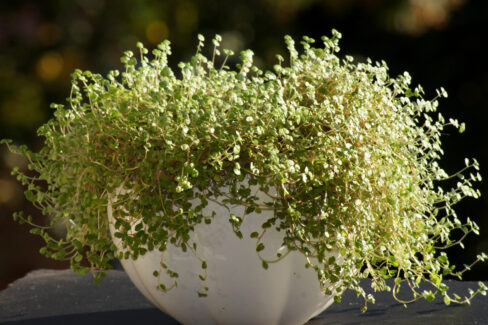
The Baby’s Tears plant (botanical name *Soleirolia soleirolii*) is famous for being super easy to care for and a fast grower. That lush, evergreen “mop top” look makes it a favorite for living rooms and offices alike. However, every now and then, it can start looking a little shaggy. When that happens, it’s time to grab your scissors!
Does Baby’s Tears actually need pruning?
Technically, you don’t *have* to prune Baby’s Tears on a strict schedule. It’s not a requirement for the plant’s health, but it handles pruning like a champ. If you feel like it’s getting out of hand, go ahead and give it a trim whenever you like. A standard pair of kitchen scissors works perfectly for the job—just make sure they’re clean. I always recommend disinfecting your blades before you start to keep your plant healthy.
When should you reach for the shears?
The main reasons to prune your Baby’s Tears are to rejuvenate the plant, maintain its shape, or grab some cuttings for propagation. As long as you’re happy with how it looks and you don’t need new plants, feel free to let it grow wild. But if the stems get so long that the plant starts splitting in the middle or looking messy, don’t be afraid to trim it back into a nice, tidy mound.
It’s also common for the center of the plant to turn yellow if it isn’t getting enough light. This is a clear sign it’s time for a “rejuvenation” trim. Just snip away any yellow or bare stems, and the plant will reward you with fresh, green growth. To help it bounce back, make sure you’re watering it correctly and give it a little bit of fertilizer.
How to take cuttings from your Baby’s Tears
If you want to propagate your plant, spring and summer are the best times to do it. Simply snip off a few cuttings about two to three inches long. Strip off the lower leaves and tuck the stems into some moist seed-starting mix.
To keep the humidity and temperature steady, you can cover the pot with some clear plastic wrap. Just remember to vent it every now and then so the cuttings don’t rot. Within a few weeks, they should develop roots, and you can move your new “babies” into larger pots with standard potting soil.
Quick Summary:
- Very tolerant of pruning.
- Regular trimming isn’t necessary, but can be done anytime.
- Prune for rejuvenation, propagation, or to maintain a specific shape.
Pro Tip: If you want a perfectly symmetrical look, you can buy topiary templates at garden centers or even DIY your own out of cardboard!