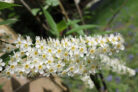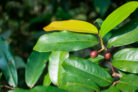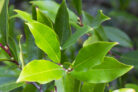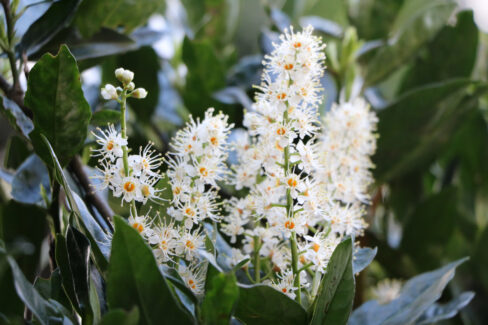
Cherry laurels aren’t exactly high-maintenance divas when it comes to soil and nutrients, but they do have a few specific needs you’ll want to keep in mind. One of the most important factors? Getting the watering just right. Here are my favorite tips and tricks for keeping your cherry laurel perfectly hydrated and happy.
Watering Your Cherry Laurel
Proper watering is one of the biggest “make or break” factors for cherry laurel care. If you give your plant the right amount of H2O, it’ll reward you by quickly growing into a lush, impressive bush or a privacy hedge. Use the following guide to help your laurel thrive and prep your soil for success. Pro tip: Try not to plant your cherry laurel in direct, scorching sun; they actually prefer a bit of shade. In full sun, the soil tends to dry out way too fast for their liking.
The Ideal Soil for Cherry Laurel:
- Loamy soil or a mix of potting soil and sand
- Loose, well-aerated earth
- Slightly acidic to slightly alkaline pH levels
Cherry laurels love soil that stays moderately moist or even slightly dry, but you don’t want it turning into a desert. Without enough moisture, the plant won’t have the energy it needs to push out those beautiful, evergreen leaves. Aim for regular watering, but be careful not to overdo it—standing water is a big no-no. Soggy soil can quickly lead to issues with the cherry laurel’s roots.
How to Avoid Standing Water
If you’re worried about water pooling around your plants, there are a few easy fixes. First, try loosening up the soil; sometimes just breaking up the dirt is enough to help the water drain away. For a more permanent solution, you can create a drainage layer by mixing gravel or sand into the soil around the root zone. This helps the water flow downward instead of sitting around the roots.
Once your drainage is set, just keep up with a regular watering schedule. During the warmer months, you can apply a slow-release fertilizer once a month to give them a boost. However, if your soil is already rich in nutrients or if you’re using compost (humus) as mulch, you might not even need the extra fertilizer!