Let’s be real: when you’re planning out your dream garden, the price tag matters. Your budget usually dictates whether you’re planting a few statement pieces or a whole lush landscape—and it definitely determines if you’re buying “baby” plants or more mature ones. Generally speaking, the older and bigger the plant, the more you’re going to pay. Here’s a quick breakdown of what to expect when you’re shopping.
What does it cost to plant Cherry Laurel?
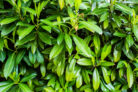
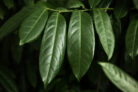
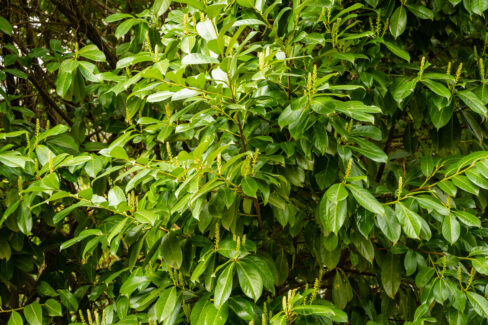
Unless you’re planning to propagate cherry laurel yourself from cuttings, you’re going to be heading to the store. You can find these beauties at local garden centers or through various online retailers. My big tip? Always check for health before you buy. Take a close look at the foliage—the leaves are the best “health check” for the entire plant. You want vibrant, sturdy leaves, not wilted or spotted ones.
Where to shop for Cherry Laurel:
- Big-box home improvement stores
- Local tree nurseries
- Professional garden centers
- Online plant nurseries
Factors that affect the price
The biggest factor in the price of a cherry laurel is its size. Variety plays a role too, but height is the main driver. You can often snag young plants (under 15 inches) for just a few bucks each. However, if you’re looking for something that’s already five feet tall, you’re looking at closer to $50 per plant. If you want instant privacy with specimens around six or seven feet, plan to budget between $75 and $100 each. As you can see, those extra years of growth at the nursery really add to the cost!
Some specific cultivars also carry a higher price tag. Usually, you’re paying for a “bonus” feature, like extra-showy blooms or a unique growth habit. For example, some varieties are bred to grow tall and skinny for tight spaces, while others act as a groundcover cherry laurel that spreads out wide instead of up.
If you’re planning a full hedge rather than a single shrub, those costs add up fast since you’ll need multiple plants. It really comes down to a choice between time and money: if you want a “finished” look today, go for the larger, pricier plants. If you’ve got a little patience and don’t mind waiting a few seasons for them to fill in, buying smaller plants is a great way to save a ton of cash.