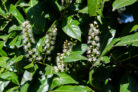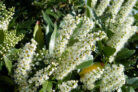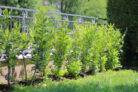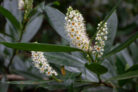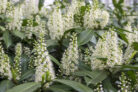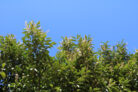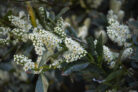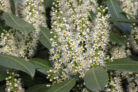
It’s no secret why cherry laurel is a total favorite among home gardeners. For starters, it’s incredibly low-maintenance. It also handles pruning like a champ and stays a beautiful, lush green all year round. Plus, getting it in the ground is a breeze!
A Super Adaptable Shrub
The cherry laurel’s easy-going nature starts with finding the perfect spot. Whether your yard gets full sun, partial shade, or even deep shade, this plant is happy. It’s not picky about soil, either. While it really thrives in loamy, nutrient-rich soil, it’ll do just fine in sandy ground too. You don’t even need to stress about the pH level—cherry laurel handles acidic, neutral, and alkaline soils without missing a beat.
When to Plant
Technically, you can plant cherry laurel anytime from spring through fall, mainly because you’ll usually find them sold as container plants. However, if you happen to get bare-root plants, fall is your best bet. By then, the growing season is winding down, so the plant can focus all its energy on establishing a strong root system. This gives it a great head start and makes an already hardy plant even more resistant to diseases.
How to Get It in the Ground
Start by digging a hole that’s large enough for the root ball. You want the roots to sit at the same depth they were in the nursery container. You can usually tell where the root collar is to gauge how deep to dig. If your soil is super dense and you need to plant it a little higher, that’s okay—just make sure you’re watering it regularly. Try to avoid burying it too deep, though, as cherry laurels can struggle if they’re suffocated.
If you’re planning on growing a privacy screen, space your plants about 20 inches (half a meter) apart. Here are a few varieties that are perfect for growing a hedge:
- “Herrbergii”
- “Etna”
- “Novita”
- “Caucasica”