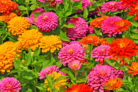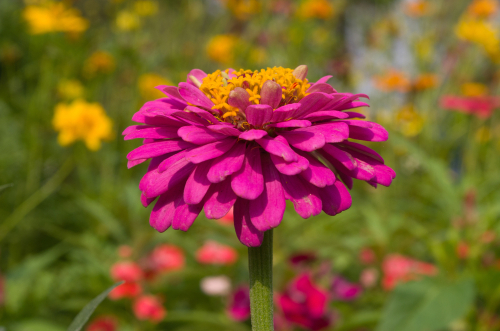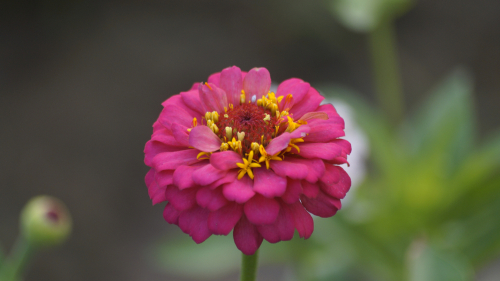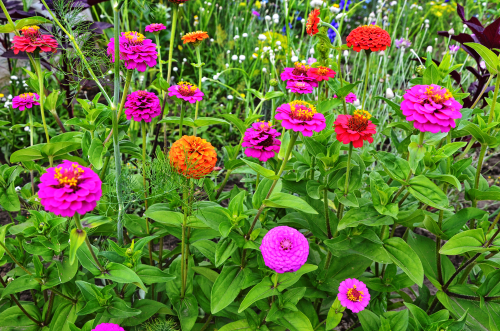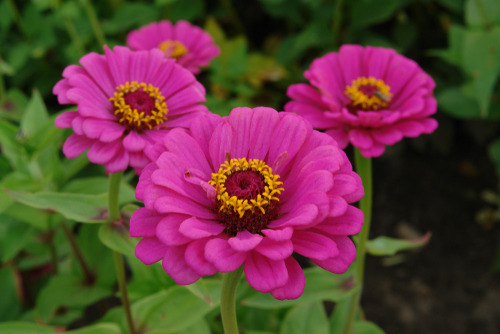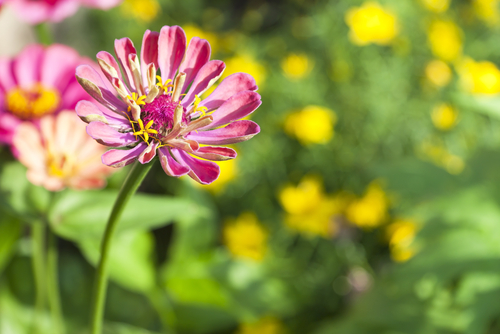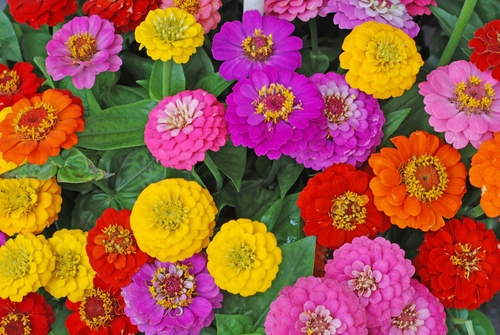
If you’re looking to add some serious color to your garden with zinnias, there’s one thing you should know right off the bat: you’ll be starting fresh every year. Since these beauties are native to the sunny landscapes of Mexico, they aren’t exactly built for chilly winters. In our neck of the woods, they’re treated as annuals, meaning you’ll need to replant them each spring.
The Best Time to Plant
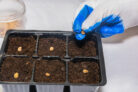
To give your zinnias the best start in life, I highly recommend starting your seeds indoors or picking up some established starts at your local garden center. While you can try sowing seeds directly in the ground, it can be a bit hit-or-miss depending on the weather. The golden rule? Don’t move them outside until the threat of frost has completely passed. Usually, by late May, you’re in the clear to get them into the garden.
Low-Maintenance Soil Needs
The great news is that zinnias aren’t “divas” when it comes to their soil. Back home in Mexico, they’re used to growing in dry, rocky ground. However, if your soil is super nutrient-poor, you might notice fewer flowers. For the best bloom show, aim for soil that’s well-draining, a little loamy, and rich in organic matter (compost is your friend here!).
Soak Up the Sun
While they’re easy-going about soil, zinnias are very picky about their location. These plants are true sun-worshippers! To keep them happy, find the sunniest spot in your yard—we’re talking full sun all day long. It’s also a good idea to pick a spot that’s protected from harsh winds so those beautiful stems don’t snap.
How to Plant Your Zinnias
Ready to get digging? Here’s a quick step-by-step to get your zinnias settled in:
- Gently remove the root ball from its starter pot.
- Let the roots soak in a bucket of water for about 30 minutes before planting.
- Dig a hole that’s just a bit larger than the original pot.
- Carefully place the plant in the hole, making sure you don’t bend or break any roots.
- Once you’ve filled the hole back in, give the plant a nice, deep watering.
Pro tip: Zinnias hate “wet feet” (standing water), so if your soil is heavy, try tossing a layer of gravel at the bottom of the planting hole to help with drainage.