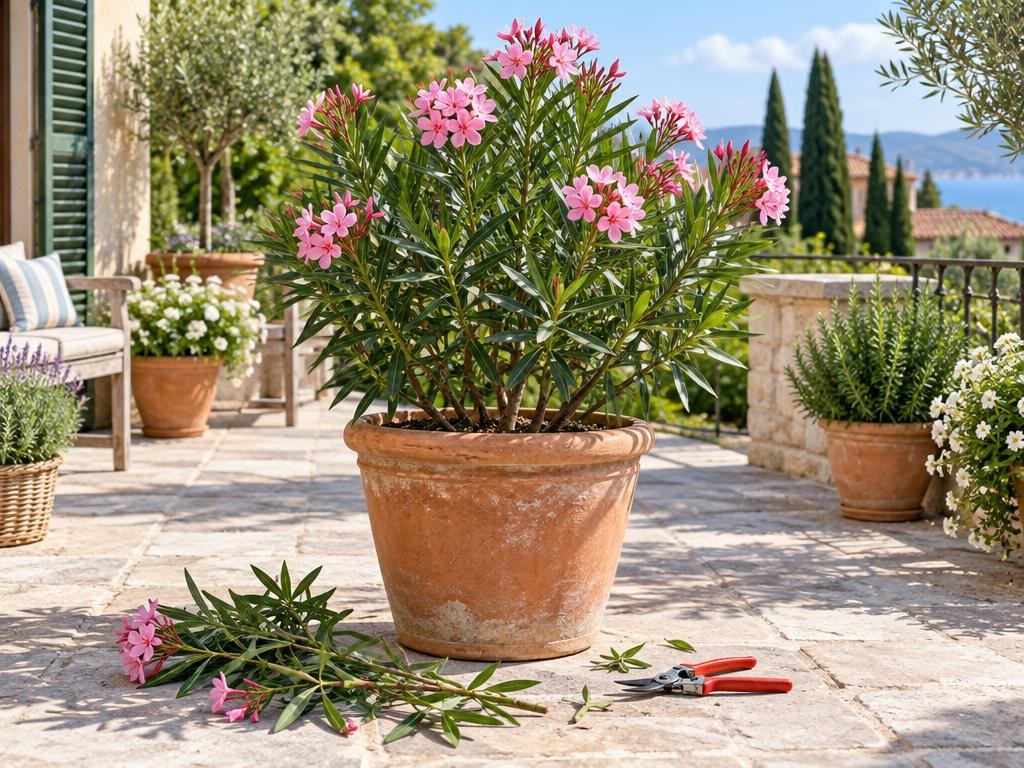
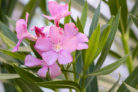
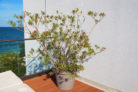
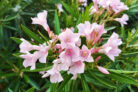
Thanks to its unique growth habit, oleander is actually a fantastic candidate for bonsai styling! Whether you want to keep it as an indoor accent or a patio showstopper, there are a few things you should know to get it right. Here’s the lowdown on crafting your own oleander bonsai.
Choosing the Right Style
When it comes to shaping your oleander, you’ve got options. While you can get creative, these classic styles tend to look the best with this species:
- Formal Upright (Chokkan)
- Slanting (Shakan)
- Triple or Multi-trunk (Sankan and Kabudachi)
The Perfect Spot for Your Oleander Bonsai
When picking out the best location, your bonsai is going to have the same basic needs as its full-sized cousins. Think warm and bright! If you’re keeping it outdoors, make sure it’s tucked away from harsh winds and heavy rain to protect those delicate branches.
Pruning Tips for a Beautiful Shape
To keep that iconic bonsai look, regular pruning is a must. Just a heads-up: don’t go overboard and chop off all the old wood. Oleander actually sprouts its new growth from older branches, so you want to leave some of that structure intact. As for those spent flowers? No need for heavy shears—just pluck them off by hand to keep things looking tidy.
Special Care and Maintenance
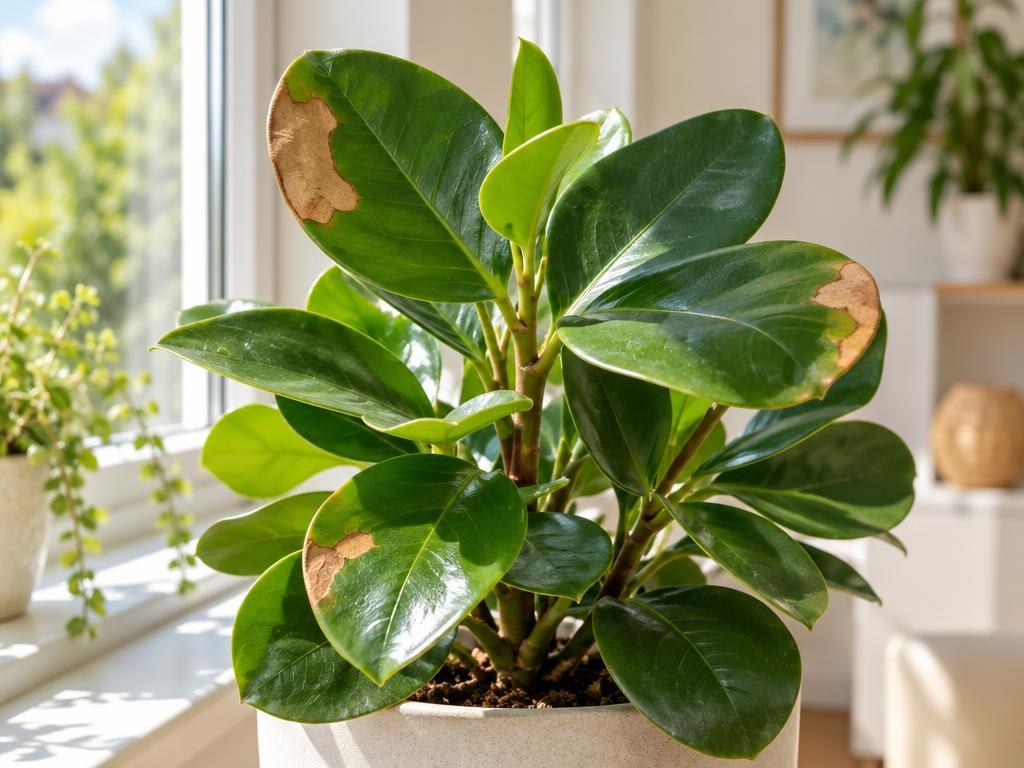
I won’t sugarcoat it: oleanders can be a bit high-maintenance. When grown as a bonsai, you really have to stay on top of watering and nutrients. Because bonsai pots are so shallow, the soil dries out fast and can’t hold much water in reserve. When it comes to fertilizing, be careful not to overdo it. Too much “food” can lead to brown spots on the leaves, and unfortunately, those won’t go away once they appear.
Wintering Your Oleander Bonsai
Before the first frost hits, move your oleander to a cool, bright, and frost-free spot for the winter. Even if you keep your bonsai indoors year-round, it still needs a “rest period” during the colder months. This dormancy helps the plant recharge so it can push out fresh new growth and blooms come spring.
Keep an Eye Out for Pests
Oleander bonsais can be a bit of a magnet for pests. Keep a close eye on your plant during your daily care routine. Catching symptoms early is the secret to protecting your tree from long-term damage and keeping it healthy for years to come!